

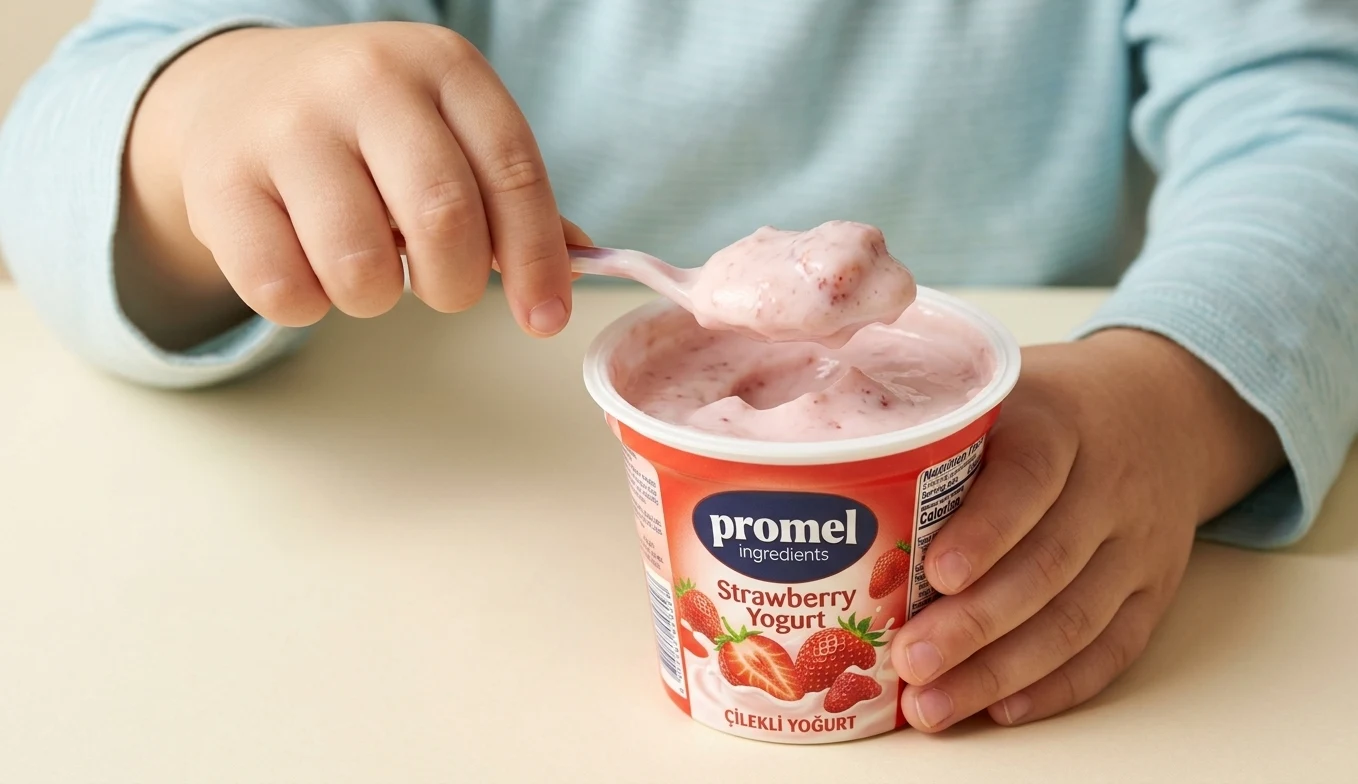
FERMENTED DAIRY PRODUCTS
Promel Ingredients food additives and stabilizers for yogurt, fruit yogurt, drinkable yogurt and kefir production
Key technological challenges in fermented milk product manufacturing
Yogurt is essentially an acid gel. As starter cultures convert lactose to lactic acid, the pH drops; at around pH 4.6 casein micelles aggregate to form a three-dimensional network. Whey proteins denatured during heat treatment of the milk bind to κ-casein, becoming part of this network and strengthening the gel. Most defects stem from a weak or irregular network: surface whey separation (syneresis) in set yogurt, low viscosity or grainy texture in stirred yogurt, sedimentation at the bottom and serum separation at the top in ayran (yogurt drink), and loss of body after pumping and filling in labneh.
Culture-related issues compound these problems. Continued acid production during shelf life (post-acidification) causes over-souring; bacteriophage infection slows or halts fermentation. In kefir, the main challenge is consistency: in the mixed fermentation carried out by lactic acid bacteria and yeasts, gas production, acidity and yeasty notes can vary from batch to batch.
Solution approach: regulation first, technology second
In this product category the regulatory framework defines the solution space. The Turkish Food Codex Communiqué on Fermented Milk Products (2022/44) does not permit enzyme use other than lactase in products covered by the communiqué; it restricts the use of non-milk proteins, gelatin and starch to specific product categories; and refers to the Food Additives Regulation for permitted additives. Consequently, texture and stability in plain yogurt and ayran are largely managed through three levers:
- Solids-non-fat and heat treatment: Increasing dry matter with milk powder or milk protein and applying high heat treatment to denature whey proteins directly strengthens the gel.
- Culture selection: Exopolysaccharide (EPS)-producing strains deliver viscosity and mouthfeel without additives; low post-acidification strains preserve flavour throughout shelf life. Direct vat set (DVS) cultures improve batch-to-batch consistency and eliminate the bacteriophage risk associated with bulk starter preparation.
- Mechanical processing: Breaking the curd at the correct pH with low shear, and homogenisation after dilution in ayran, limit sedimentation of aggregated protein.
Labneh and fresh spreadable cheese fall under cheese regulations; in these products, stabiliser blends bind free water, reducing syneresis and structural breakdown during filling. In flavoured fermented products, food colours give the product its visual identity within the permitted additive categories.
PROMEL product ranges
- Kefir starter culture (Promel KFS Kefir30) — a freeze-dried DVS culture containing lactic acid bacteria and yeasts derived from kefir grain flora; enables consistent kefir production without the need for grain maintenance.
- Stabiliser blends (PROMEL LBN05 STAB.BLEND) — a blend that binds free water in labneh and fresh spreadable cheese, promoting a smooth, glossy texture.
- Food colours (Promel BETA CAROTENE EM 5%, PROMEL CHLLOROPHILL) — yellow-orange and green shades for flavoured fermented milk products.
- Transglutaminase (Promel Ultralase-1000) — not permitted in fermented milk products covered by the Turkish communiqué; considered only for export products where the destination country's regulations allow its use.
Process and formulation tips
- Yogurt milk is typically heat-treated at 90–95 °C for 5–10 minutes; incubation is carried out at around 42–46 °C.
- Kefir is fermented at a lower temperature, typically in the 20–30 °C range; a brief cold ripening step develops the yeast character and carbonation. Packaging must be selected to accommodate this gas formation.
- In stirred yogurt, the curd should be broken gently once the target pH is reached and conveyed at low shear using positive displacement pumps.
- To limit post-acidification, the product should be rapidly cooled to 4–6 °C at the end of fermentation.
- In ayran, salt and protein levels should be adjusted in accordance with the communiqué limits; if phase separation occurs, first review the homogenisation pressure and the yogurt breaking stage.
Frequently asked questions
Can transglutaminase be used in yogurt?
Not in yogurt, ayran or kefir covered by the Turkish communiqué; the Fermented Milk Products Communiqué does not permit enzymes other than lactase. For export products, the decision must be based on the destination country's regulations.
Why is the presence of yeast in kefir culture important?
The kefir definition in the communiqué requires both specific Lactobacillus species and both lactose-fermenting and non-fermenting yeasts. Yeasts contribute mild carbonation and the characteristic refreshing note; a product made with a yeast-free culture may not meet the legal definition.
Why does sedimentation occur at the bottom of ayran?
Large protein aggregates formed during yogurt breaking cannot remain suspended in the diluted medium and settle out. Uniform curd breaking, homogenisation after dilution, and prevention of excessive acidity are the most effective countermeasures.
The best results in fermented products are achieved by fine-tuning culture, dry matter and process parameters together. The Technofood technical team can provide support with regulatory-compliant formulation design, pilot trials and samples.
Products for this Application
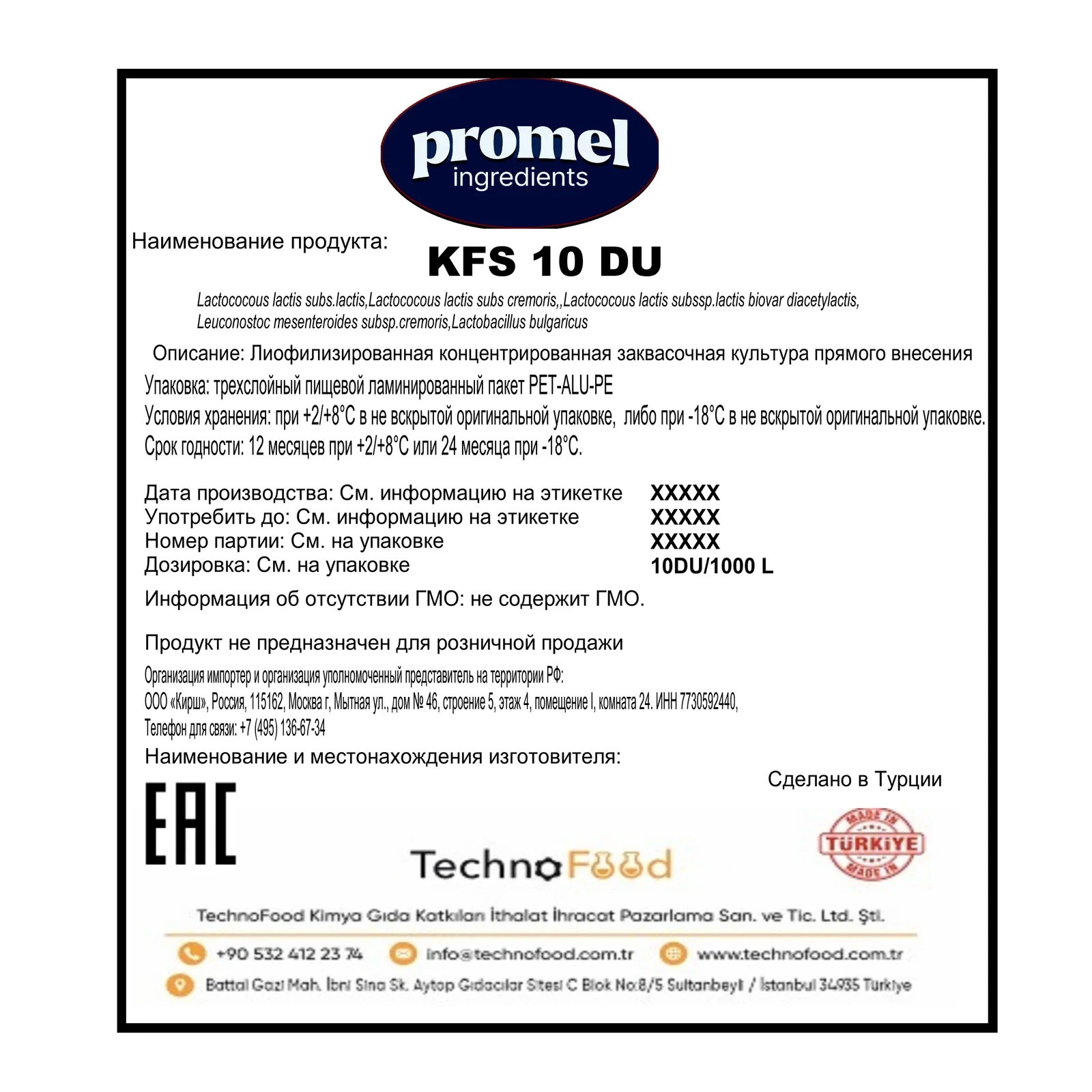
PROMEL F.D.Starter Culture KFS (10DU)KEFIR30
Promel KFS (Kefir30) is a freeze-dried kefir starter culture derived from kefir grain flora, containing lactic acid bacteria and yeasts for direct addition to milk; supplied in 10 DU packs.
View →
PROMEL LBN05 STAB.BLEND
PROMEL LBN05 is a stabiliser blend that reduces syneresis by binding free water in labneh and fresh spreadable cheeses, enhancing body and delivering a smooth, glossy texture.
View →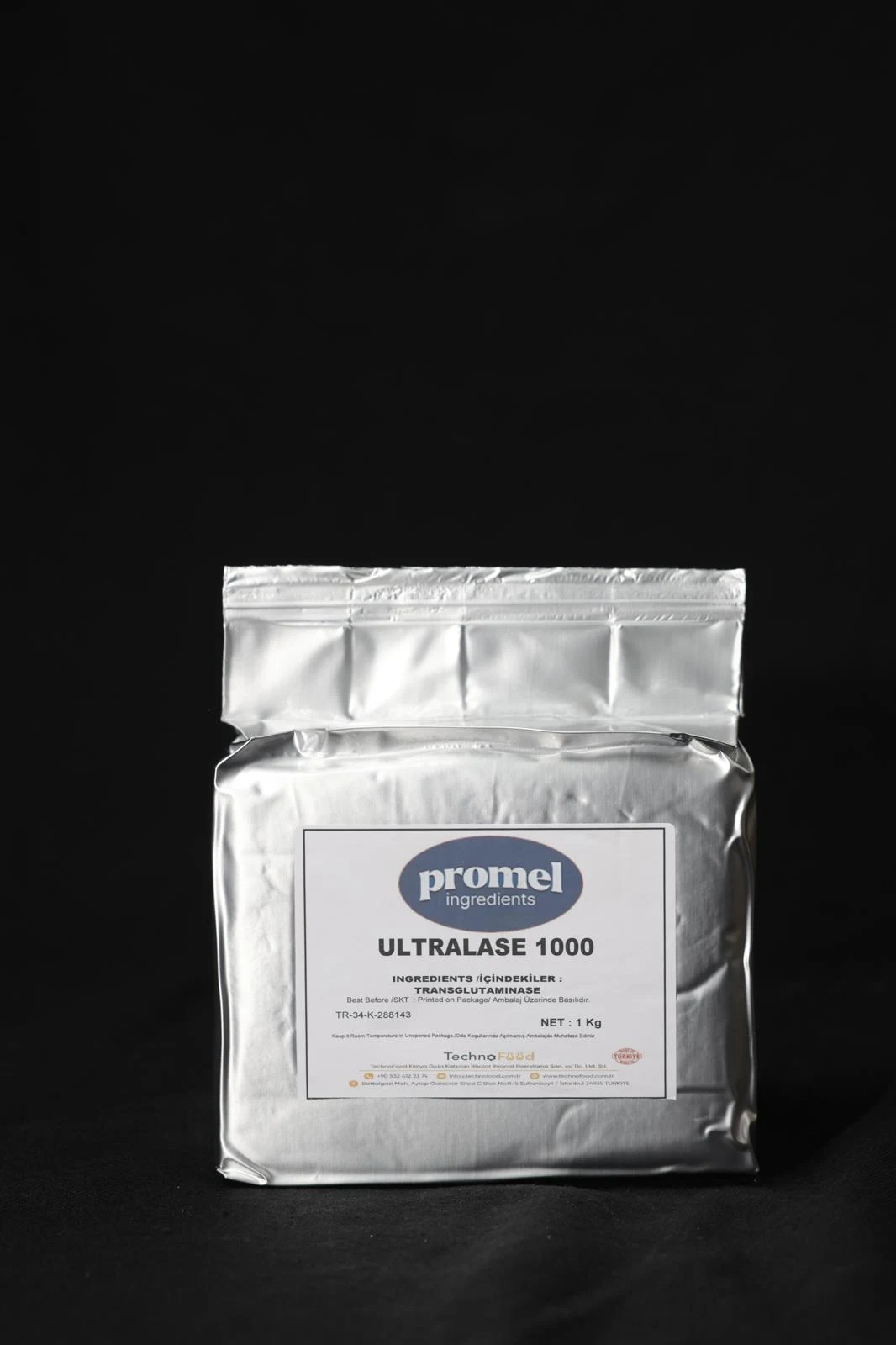
PROMEL ULTRALASE-1000
Promel Ultralase-1000 is a microbial transglutaminase preparation that forms covalent cross-links between milk proteins, increasing viscosity, reducing syneresis and improving texture in fermented milk products.
View →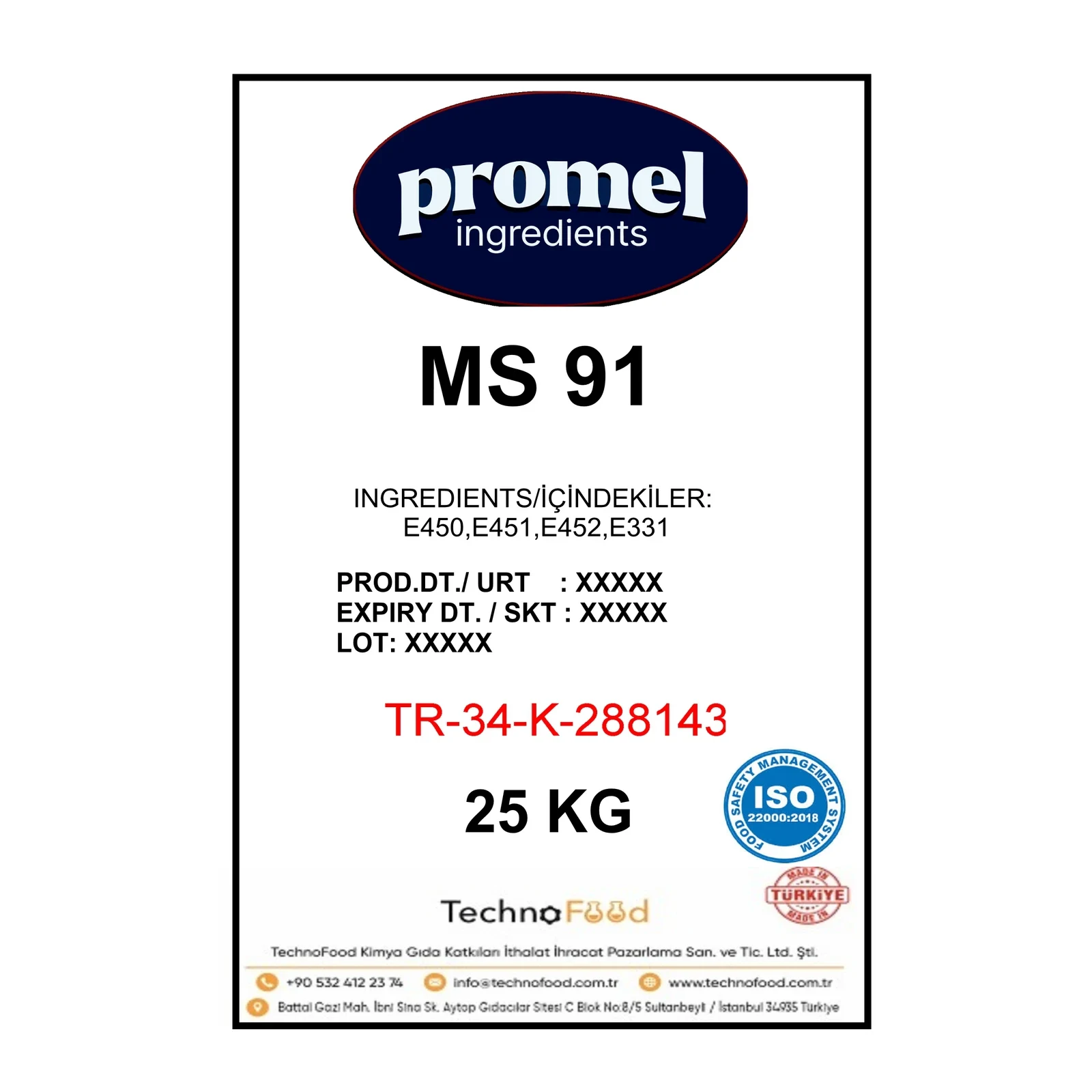
PROMEL MS 91
Promel MS 91 is a phosphate–citrate-based emulsifying salt blend that delivers a glossy, smooth surface and easily spreadable consistency in cream cheese, processed cheese triangles and spreadable processed cheeses.
View →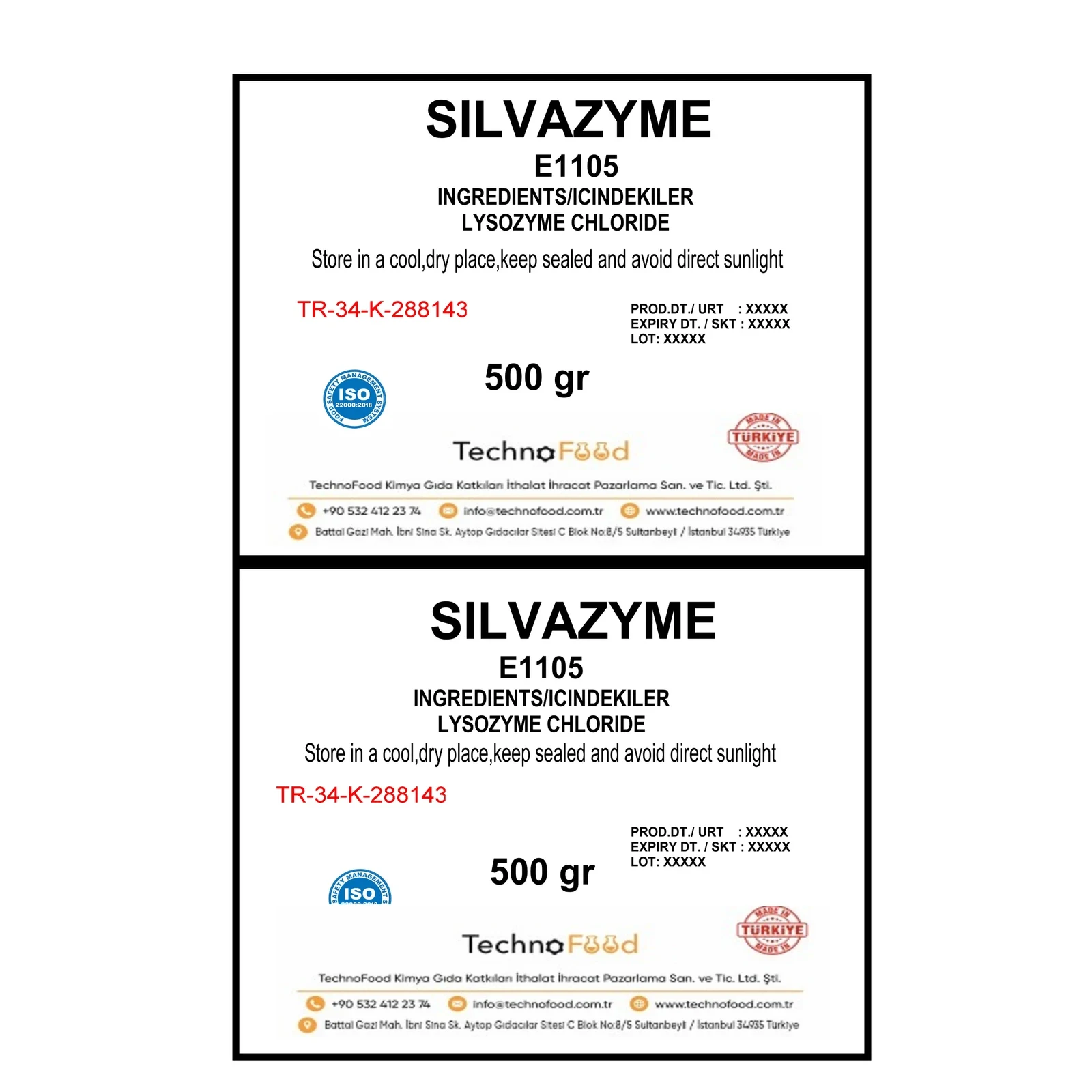
SILVAZYME LYSOZYME
Silvazyme is a lysozyme (E1105) enzyme preparation added to cheese milk to prevent late blowing defects caused by Clostridium tyrobutyricum; developed for ripened hard and semi-hard cheeses.
View →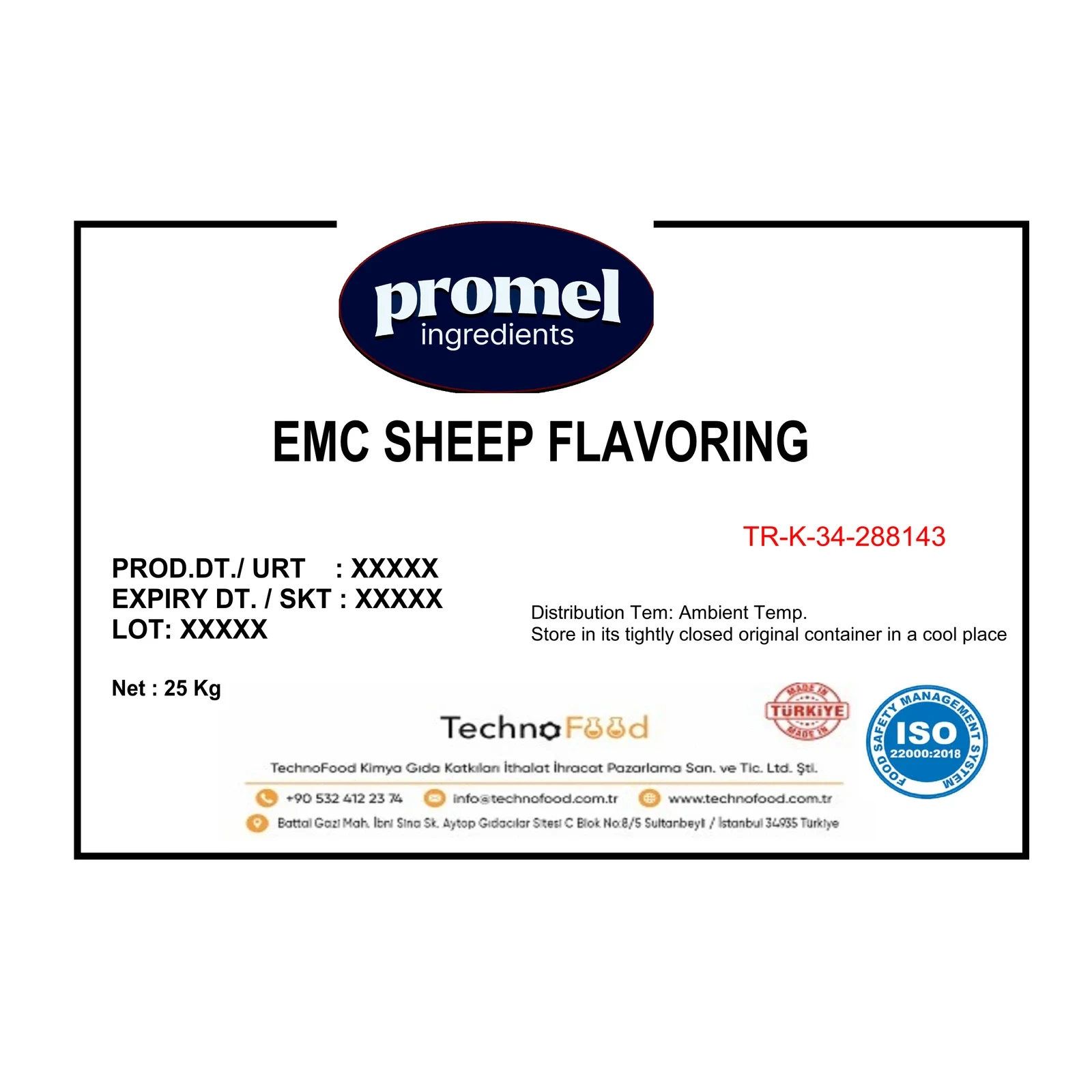
EMC SHEEP FLAVORING
Sheep cheese-based enzyme-modified cheese (EMC) flavouring. Used to impart a mature sheep cheese and tulum-type character to cow's milk or analogue cheese-based products.
View →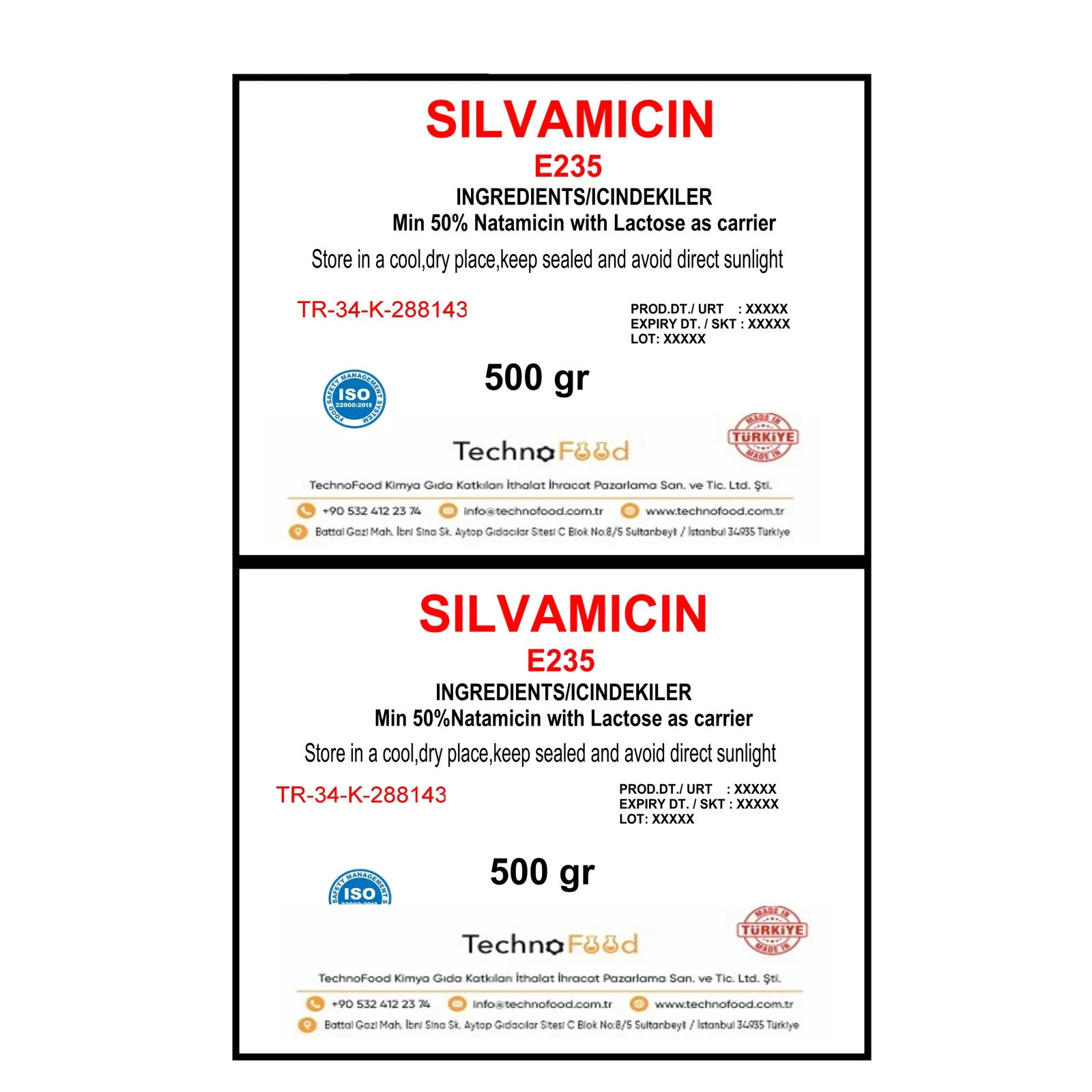
SILVAMYCIN NATAMYCIN
Silvamycin is a powdered preservative produced by Streptomyces natalensis fermentation, containing at least 50 % natamycin (E235); it inhibits the growth of moulds and yeasts on the cheese surface without affecting ripening cultures.
View →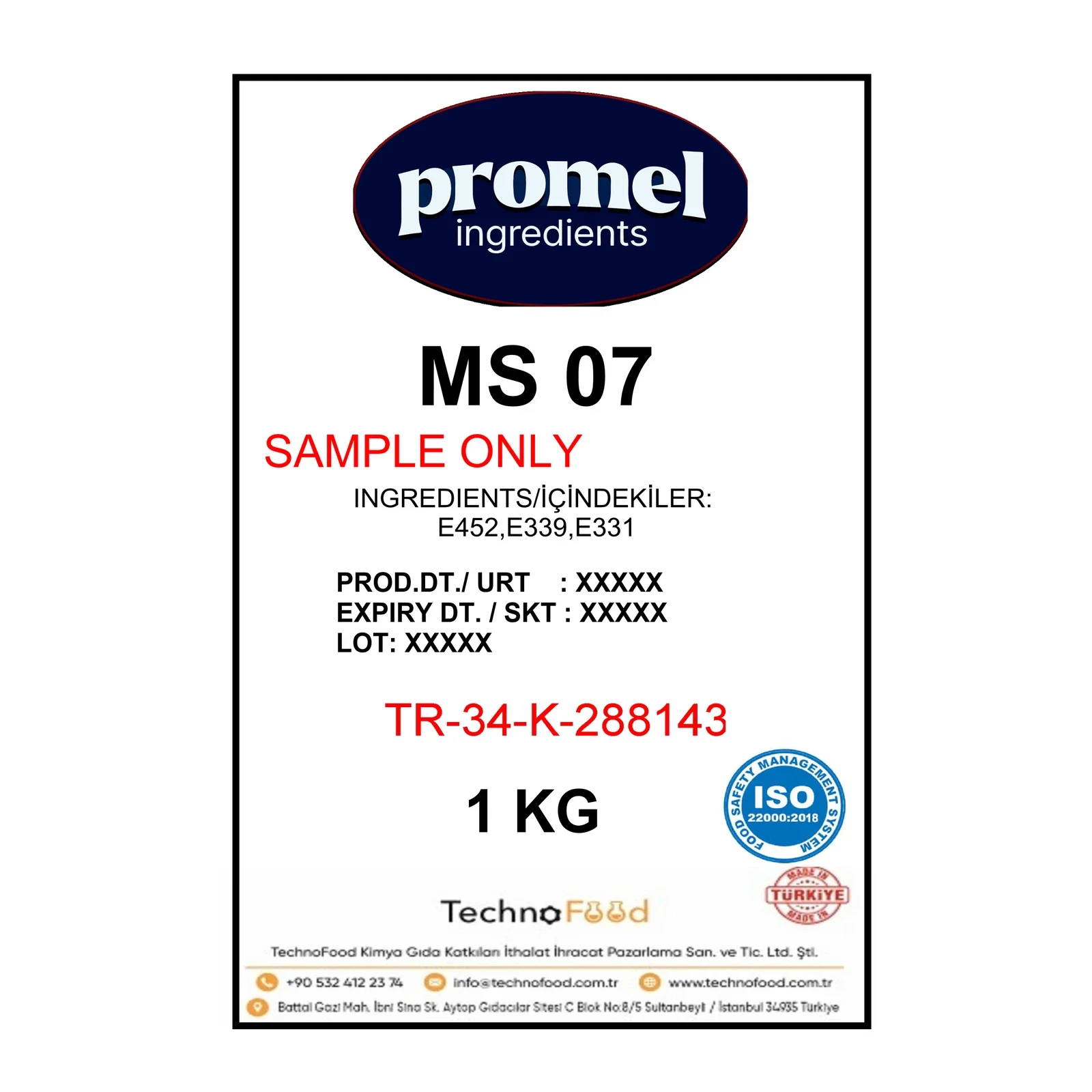
PROMEL MS 07
Promel MS 07 is a single-phase citrate–phosphate emulsifying salt developed for processed pizza cheese and processed cheeses requiring re-meltability. It delivers uniform melting in the oven and clean slicing.
View →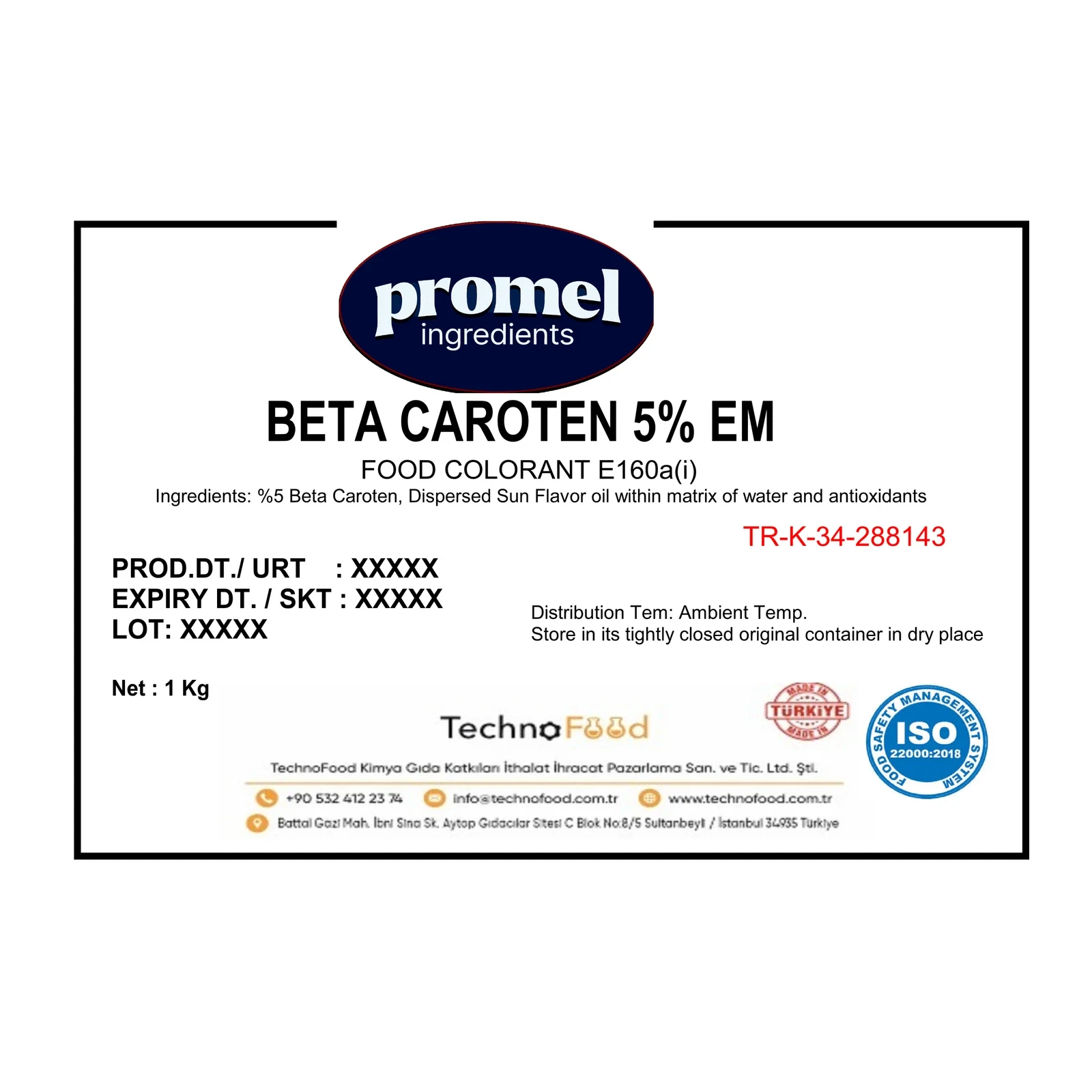
Promel BETA CAROTENE EM 5%
Water-dispersible emulsion containing 5% β-carotene (E160a); added directly to cheese milk, sauces, ice cream and water-phase-dominant dairy products to impart yellow to orange colour.
View →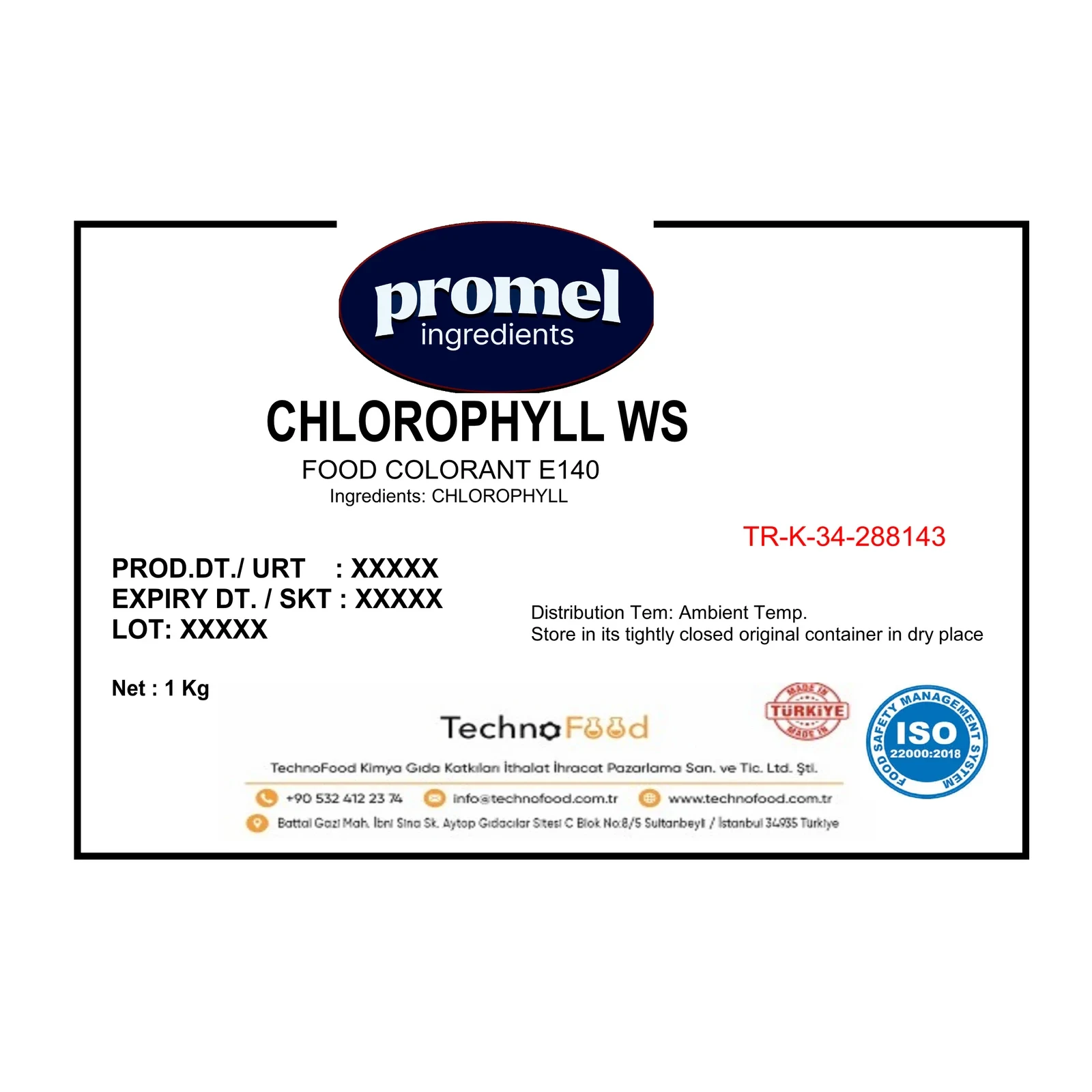
PROMEL CHLOROPHYLLIN
Water-soluble liquid chlorophyllin food colour; used to impart and adjust green shades in ice cream, flavoured fermented milk products and herb/spice cheeses.
View →