

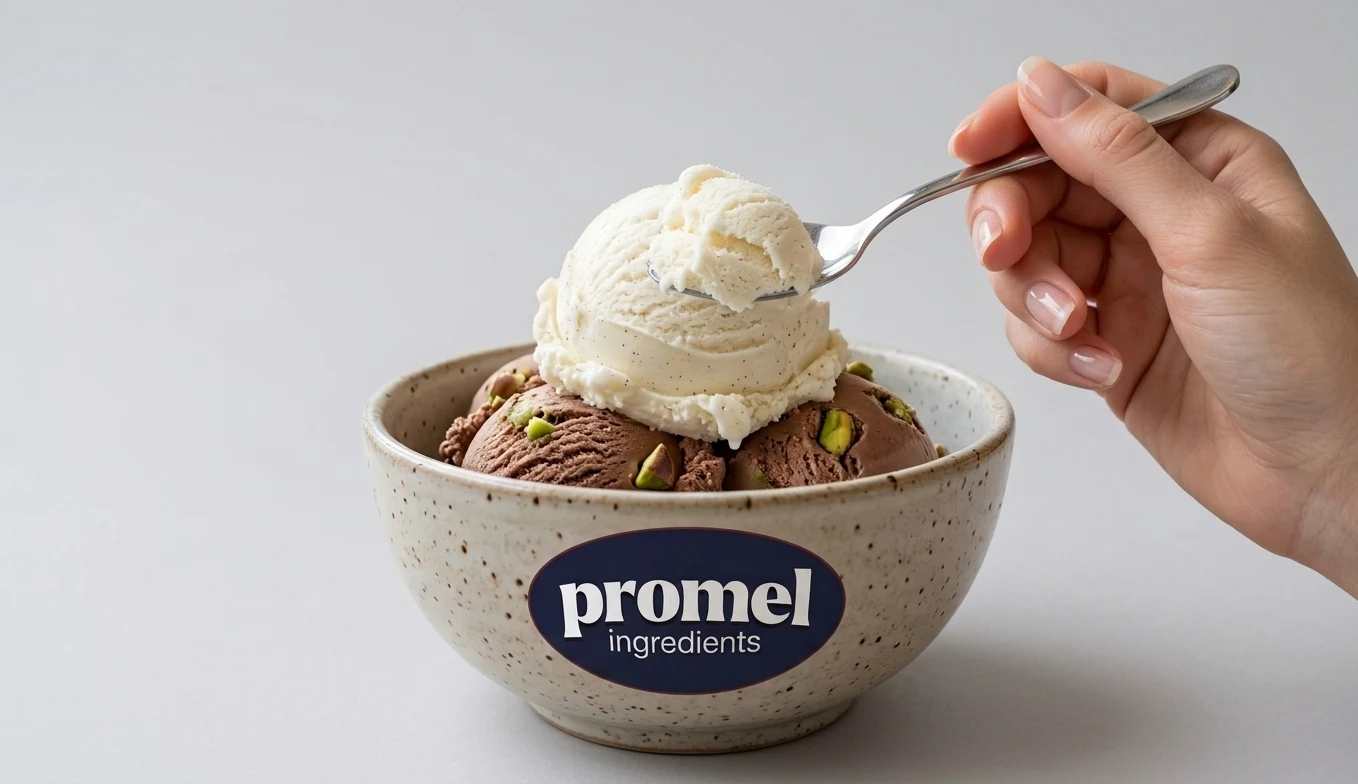
ICE CREAM and MILK SHAKE
Stabiliser systems that control air structure, ice crystal size and melt behaviour in milk-based ice cream, Maraş-type ice cream and milkshake production, along with colour and texture solutions.
Key technological challenges in ice cream and milkshake production
Ice cream is an inherently unstable system that simultaneously carries three dispersed phases: ice crystals, air bubbles and partially coalesced fat globules, all dispersed in an unfrozen, sugar-concentrated serum phase. Most defects encountered by manufacturers arise from disruption of this balance. When temperature fluctuates during storage and distribution, small ice crystals melt, the released water refreezes onto larger crystals and the product develops a coarse, sandy mouthfeel. Even when the target overrun is achieved, if air bubbles coalesce the ice cream collapses after hardening and loses volume. Rapid serum separation during melting creates an unappealing appearance in the display cabinet. On extrusion lines, shape retention and clean cutting at the nozzle exit are additional requirements.
Expectations for Maraş-type ice cream are different: low overrun, a dense yet elastic body that stretches, can be cut with a knife and melts slowly. This texture is traditionally achieved with salep (a flour obtained from orchid tubers, containing glucomannan and starch) and mastic gum, combined with prolonged churning of the mix. In milkshake and soft-serve mixes, the challenge is less about frozen structure and more about the stability of the liquid base: phase separation in storage, sedimentation of cocoa particles and rapid collapse of foam after aeration.
Solution approach
Ice cream stabilisers work not by acting directly on ice and air, but by managing the unfrozen serum phase. Galactomannans such as locust bean gum and guar gum increase serum viscosity, restrict water mobility and slow recrystallisation during thermal shock. Carrageenan interacts with milk proteins to prevent the serum separation that gums alone can cause; in liquid milkshake bases it forms a weak gel network that keeps cocoa particles in suspension.
Emulsifiers are the second pillar of structure. Mono- and diglycerides of fatty acids (E 471) displace part of the protein from the fat globule surface during ageing and promote partial coalescence in the freezer. The partially coalesced fat network envelops air bubbles; dry extrusion, shape retention and slow meltdown are all consequences of this network. On the protein side, the heat stability of casein in the mix depends on calcium balance and pH; in formulations using milk powder or whey powder with elevated acidity, a controlled pH adjustment can limit protein aggregation.
PROMEL product groups
- Ice cream stabilisers (PROMEL IC-G 07) — a stabiliser system that preserves air structure and shape in extruded products with high target overrun, while limiting ice crystal growth.
- Protein cross-linking enzyme (Promel Ultralase-1000) — a transglutaminase that forms covalent bonds between milk proteins, contributing to body and water binding; suitability for use must be assessed according to the regulations of the target market.
- Food colours (PROMEL CHLLOROPHILL) — water-soluble chlorophyllin for colour and shade adjustment in pistachio, mint and other green-toned ice creams.
- pH-adjusting phosphate (PROMEL MS 12) — an alkaline phosphate salt that raises pH in a controlled manner in mixes formulated with high-acidity dairy raw materials.
Process and formulation tips
- To prevent gum lumping, dry-blend the stabiliser with a portion of the sugar first, then add it to the warm mix (typically 40–50 °C) under high-shear agitation.
- After pasteurisation and homogenisation, the mix is typically aged at 2–4 °C for a minimum of 4 hours; this time is necessary for hydrocolloid hydration and fat crystallisation.
- Stabiliser dosage varies by product type; in milk-based ice cream, typical usage is in the 0.2–0.5 % range. Overdosing produces a gummy, heavy mouthfeel and delayed flavour release.
- In Maraş-type ice cream, salep quality varies significantly from batch to batch depending on glucomannan content; viscosity and stretch checks should be carried out with every new batch.
- If cocoa sedimentation occurs in a milkshake base, review the homogenisation pressure and the post-heat-treatment cooling rate before adjusting the hydrocolloid dosage.
- Minimise the transfer time from the freezer exit to the hardening tunnel; slow freezing causes small ice crystals to grow.
Frequently asked questions
Is increasing the stabiliser dosage enough to improve melt resistance?
Generally no. The primary driver of melt resistance is the partially coalesced fat network; emulsifier selection, fat content and freezer exit temperature have a greater impact than stabiliser dosage. Increasing the dose makes the texture heavier while only marginally slowing meltdown.
Can another hydrocolloid be used instead of salep in Maraş-type ice cream?
The stretchy structure of salep is largely attributable to glucomannan. Konjac glucomannan and galactomannan combinations have been investigated in the literature as alternatives; however, the characteristic stretch and cuttability are typically achieved only by jointly optimising the formulation and churning time. Labelling and product-naming regulations must also be considered separately.
How is heat-shock resistance tested?
The common method is to subject samples to defined temperature cycling between freezer set points and then carry out sensory evaluation and microscopic examination of ice crystal size. When stabilised and unstabilised versions of the same mix are tested side by side, the difference is clearly evident.
Does the same approach apply to ice cream made with vegetable fat?
The fundamental mechanism is the same; however, because the crystallisation behaviour of vegetable fats differs from that of milk fat, emulsifier selection and ageing conditions must be readjusted.
Mix composition, freezer type and target overrun differ from plant to plant. The Technofood technical team can review your existing formulation together with you and provide support through a pilot-scale trial plan and samples.
Products for this Application
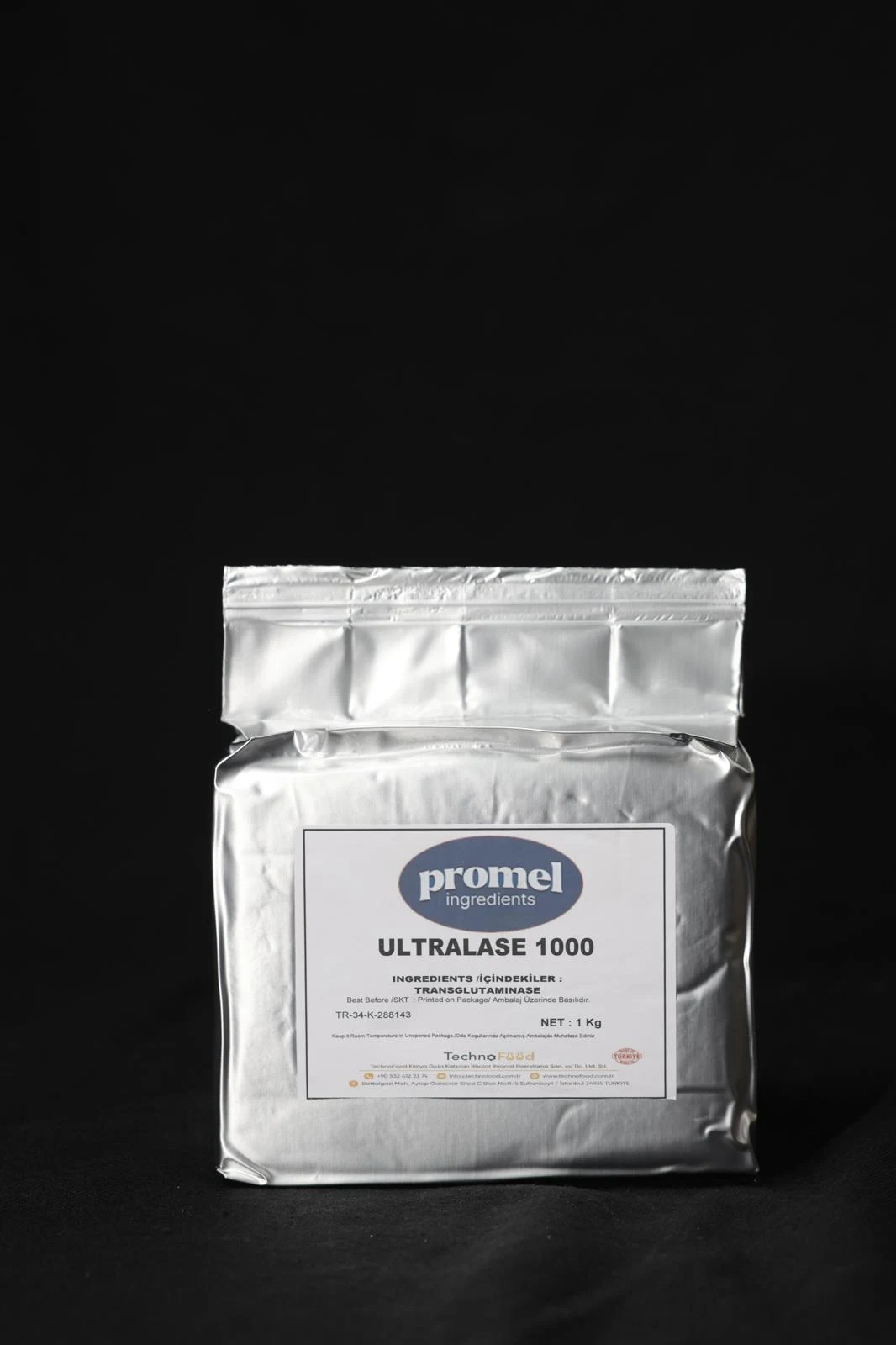
PROMEL ULTRALASE-1000
Promel Ultralase-1000 is a microbial transglutaminase preparation that forms covalent cross-links between milk proteins, increasing viscosity, reducing syneresis and improving texture in fermented milk products.
View →PROMEL IC-G 07
PROMEL IC-G 07 is an ice cream stabiliser for extrusion-moulded products that enables high overrun, preserves air cell structure and shape, and limits ice crystal growth.
View →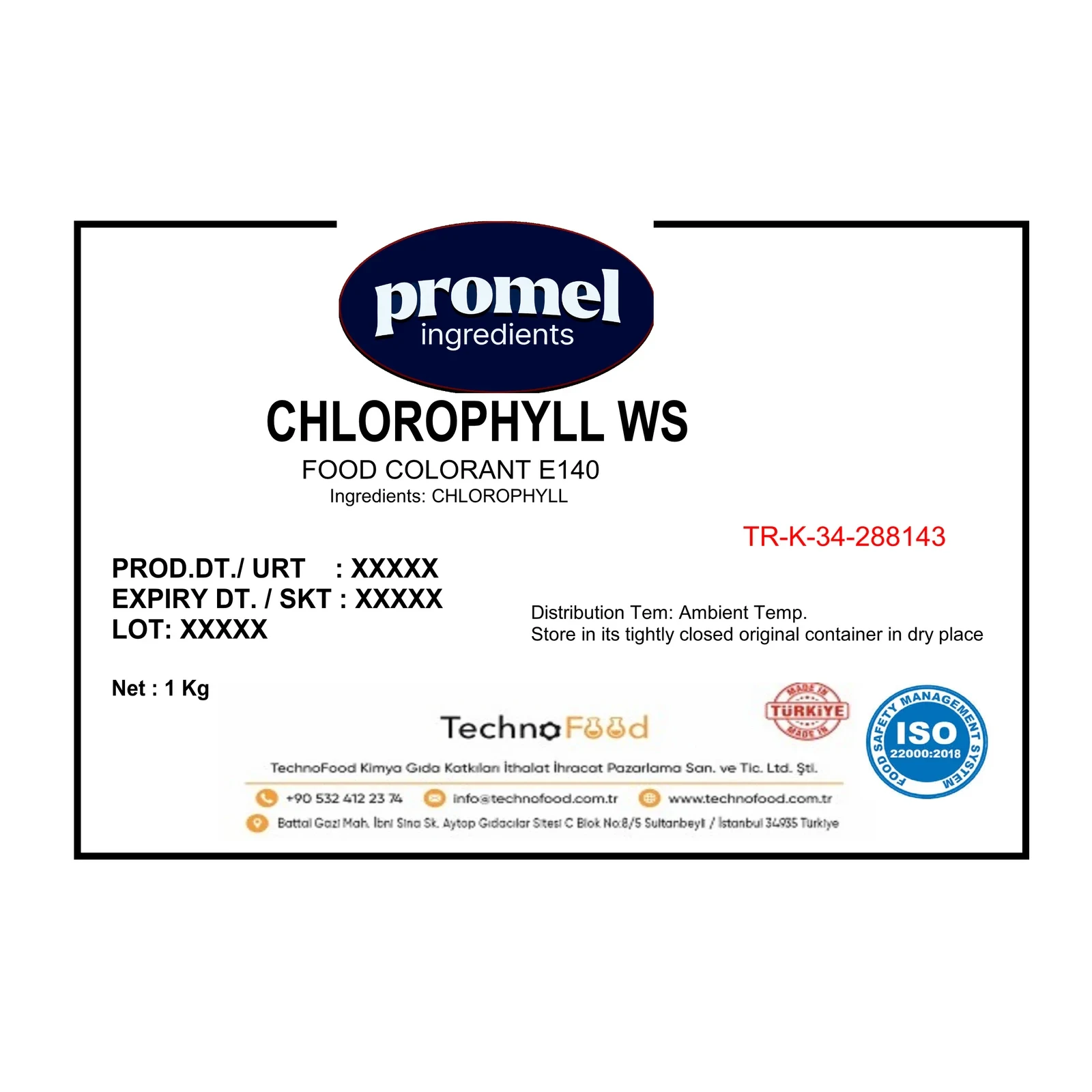
PROMEL CHLOROPHYLLIN
Water-soluble liquid chlorophyllin food colour; used to impart and adjust green shades in ice cream, flavoured fermented milk products and herb/spice cheeses.
View →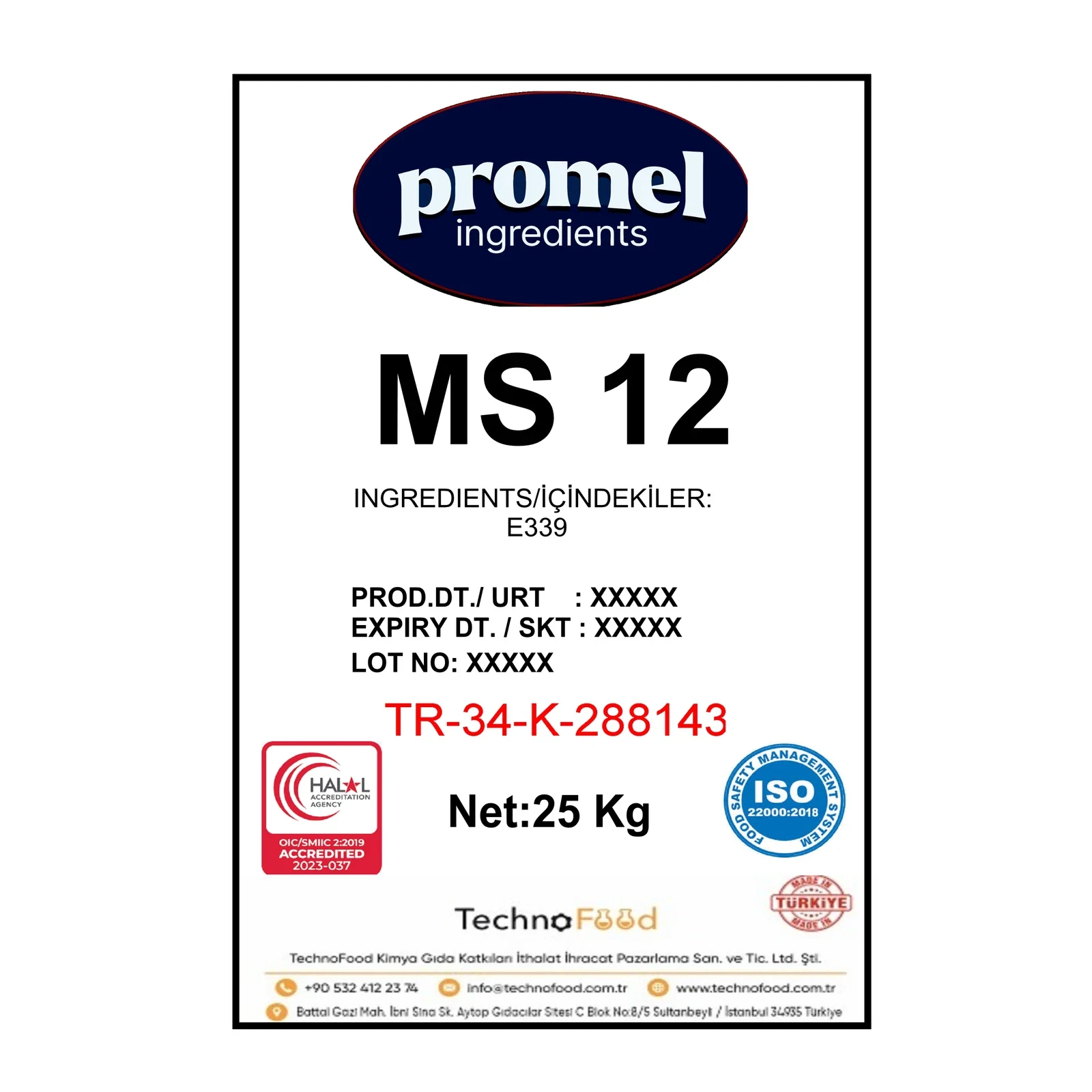
PROMEL MS 12
Promel MS 12 is an alkaline phosphate salt that raises pH in a controlled manner in processed cheese and dairy-based products. It is used as a corrective agent alongside the primary emulsifying salt when working with high-acidity raw materials.
View →