


STARTER CULTURES, RENNET AND CULTURE MEDIA
Starter cultures, fermentation-produced chymosin (FPC) and growth media for culture propagation — managing acidification, flavour development and coagulation in fermented milk products and cheese for batch-to-batch consistency and yield.
Key technological challenges in fermentation and coagulation
In a plant producing yogurt, smetana (sour cream), kefir or cheese, the texture and flavour of the final product are largely determined in two biological steps: conversion of lactose to lactic acid by lactic acid bacteria, and coagulation of casein micelles by rennet. Because these steps depend on living cells and enzyme activity, they are not as predictable as a chemical additive. The most common problems encountered on the plant floor include:
- Batch-to-batch variation in acidification time and final pH; delays that disrupt shift schedules and filling times
- Fermentation slowdown or complete arrest due to bacteriophage infection
- Culture inhibition caused by antibiotic or sanitiser residues in milk
- Late-forming, soft curd; fat and protein loss into whey, resulting in low yield
- Bitterness during ripening, increasing sourness in yogurt throughout shelf life (post-acidification), and weak flavour in cream
Solution approach
PROMEL culture and rennet selection is based on three criteria: yield, fermentation performance and sensory quality (a combined assessment of flavour and texture).
Culture selection and direct vat inoculation
Mesophilic cultures (Lactococcus lactis subspecies, aroma-producing Leuconostoc species and citrate-fermenting lactococci) typically operate in the 20–32 °C range; white brined cheese, smetana (sour cream) and cultured cream fall into this group. Thermophilic cultures (Streptococcus thermophilus and Lactobacillus delbrueckii subsp. bulgaricus) achieve rapid acidification at around 40–45 °C and form the basis of yogurt. Freeze-dried DVS (direct vat set) cultures eliminate the need for bulk starter preparation; the risk of phage build-up and contamination arising from in-house culture transfer is reduced, and every batch starts with the same strain balance. Culture dosage is expressed in U/DU units; the unit represents the activity required to acidify a given volume of milk within the target time.
Coagulant selection
Chymosin cleaves κ-casein at the Phe105–Met106 bond, releasing the caseinomacropeptide from the micelle surface; the remaining paracasein forms a gel network in the presence of calcium. Chymosin has a high ratio of coagulating activity to general proteolysis; this limits the amount of protein lost into whey and reduces the risk of bitter peptide formation during ripening. Fermentation-produced chymosin (FPC) provides the same enzyme independently of an animal source, at consistent purity. Rennet strength is expressed in IMCU and forms the basis for dose calculation.
Growth media
The term growth medium is used here in the microbiological sense: the environment in which microorganisms are propagated or enumerated. In plants that prepare bulk starter, buffered media containing calcium-sequestering agents preserve culture activity; in the quality control laboratory, selective growth media are used for mould and yeast or lactic acid bacteria counts.
PROMEL product groups
- Freeze-dried DVS yogurt cultures (Promel YOLP) — set, stirred and strained yogurt production based on the protocooperation of S. thermophilus and L. bulgaricus
- Mesophilic cream cultures (Promel STM) — acidification and diacetyl-derived buttery flavour in smetana (sour cream) and cultured cream
- Fermentation-produced chymosin (Proren Fermented Chymosin 500 gr) — powdered rennet produced by Kluyveromyces lactis fermentation
- Growth media (Promel PDA 01) — for culture propagation and laboratory use; the specific intended use is stated in the technical data sheet (TDS)
Process and formulation tips
- Freeze-dried cultures are typically stored at −18 °C or below; once opened, the entire package should be used in the same batch.
- The culture is sprinkled onto the milk surface once it has reached incubation temperature and stirred in for a few minutes; in cheese making it is typically added 30–60 minutes before renneting.
- Powdered chymosin is dissolved in cold, chlorine-free water immediately before use; chlorine inactivates the enzyme.
- If the soluble calcium lost during pasteurisation is not compensated with calcium chloride addition, the curd will form late and soft.
- Antibiotic residue testing at milk reception is the first step in preserving culture activity.
- Recording the acidification curve (pH vs. time) for every batch is the most cost-effective way to detect phage problems early.
Frequently asked questions
DVS culture or bulk starter?
Preparing bulk starter reduces culture cost; however, it requires a separate tank, heat treatment, strict hygiene discipline and phage control. In facilities with a history of phage issues or medium-scale operations, DVS cultures are generally more predictable in terms of total cost and production reliability.
Does fermentation-produced chymosin reduce cheese yield?
Published literature shows that fermentation-produced chymosin delivers cheese yield practically equivalent to calf rennet and higher than some microbial proteases. The decisive factors are correct dose calculation based on IMCU and selecting the cutting time according to curd firmness.
What should be done if phage is suspected?
When acidification slows noticeably, the first steps are to switch to a culture with different phage sensitivity (rotation), review line cleaning and ventilation, and keep whey away from the production area.
Is growth medium used on the production line?
It depends on the product. Bulk starter media are used in production, while laboratory growth media are used only for quality control; for official analyses, the medium specified in the relevant ISO method is the reference.
For culture selection, chymosin dose calculation based on IMCU and interpretation of acidification curves, the Technofood technical team provides support in pilot trial planning; to request a sample, simply share your product type, milk characteristics and target incubation time.
Products for this Application
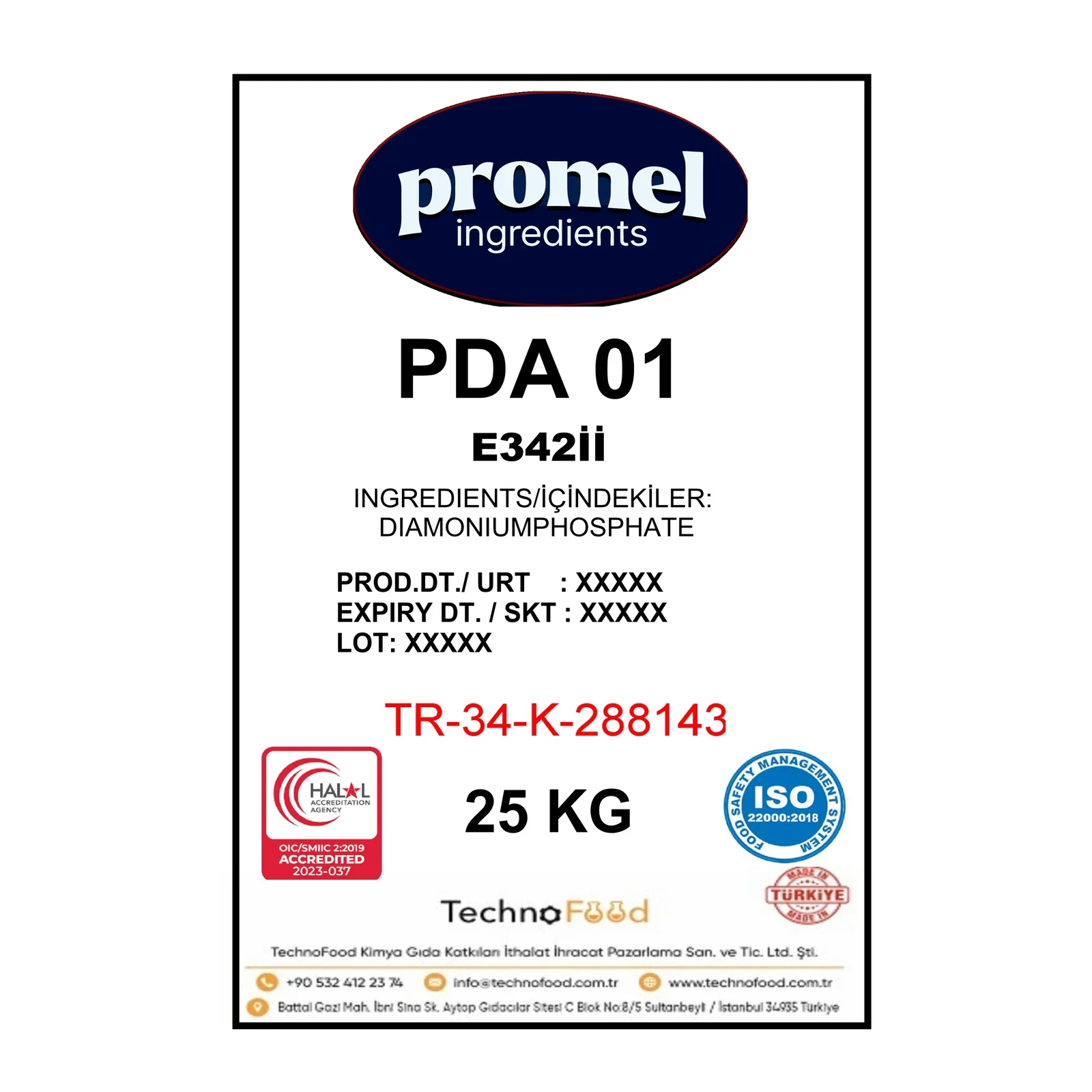
PROMEL PDA 01
Promel PDA 01 is pure diammonium phosphate ((NH4)2HPO4). It serves as a readily available nitrogen and phosphorus source for microorganisms and as a phosphate buffer component in starter culture, yeast and fermentation growth media.
View →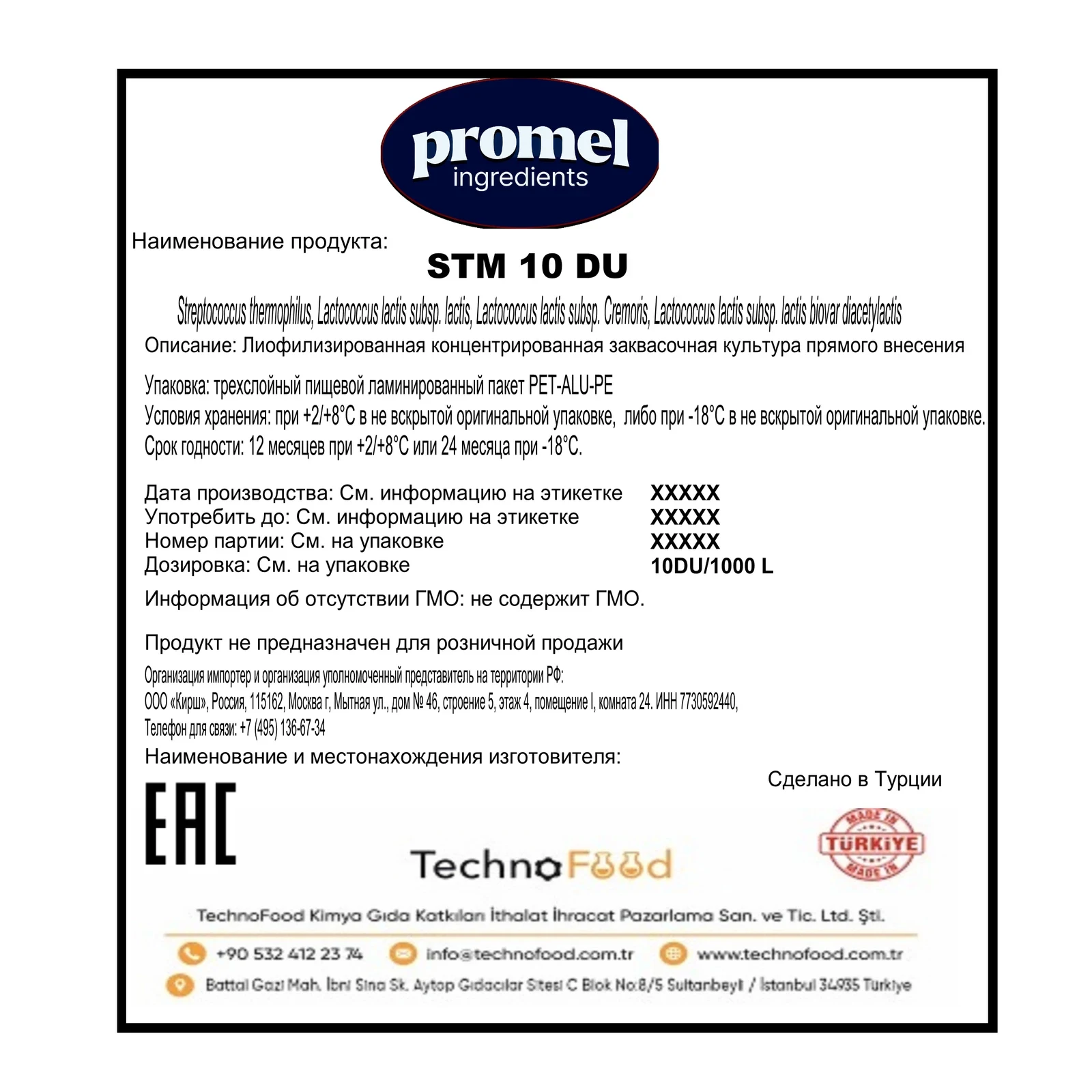
PROMEL F.D.Starter Culture STM(10DU) SVME
Promel STM is a freeze-dried starter culture of mesophilic lactococci and aroma-producing bacteria, added directly to cream for smetana and sour cream production; supplied in 10 DU sachets.
View →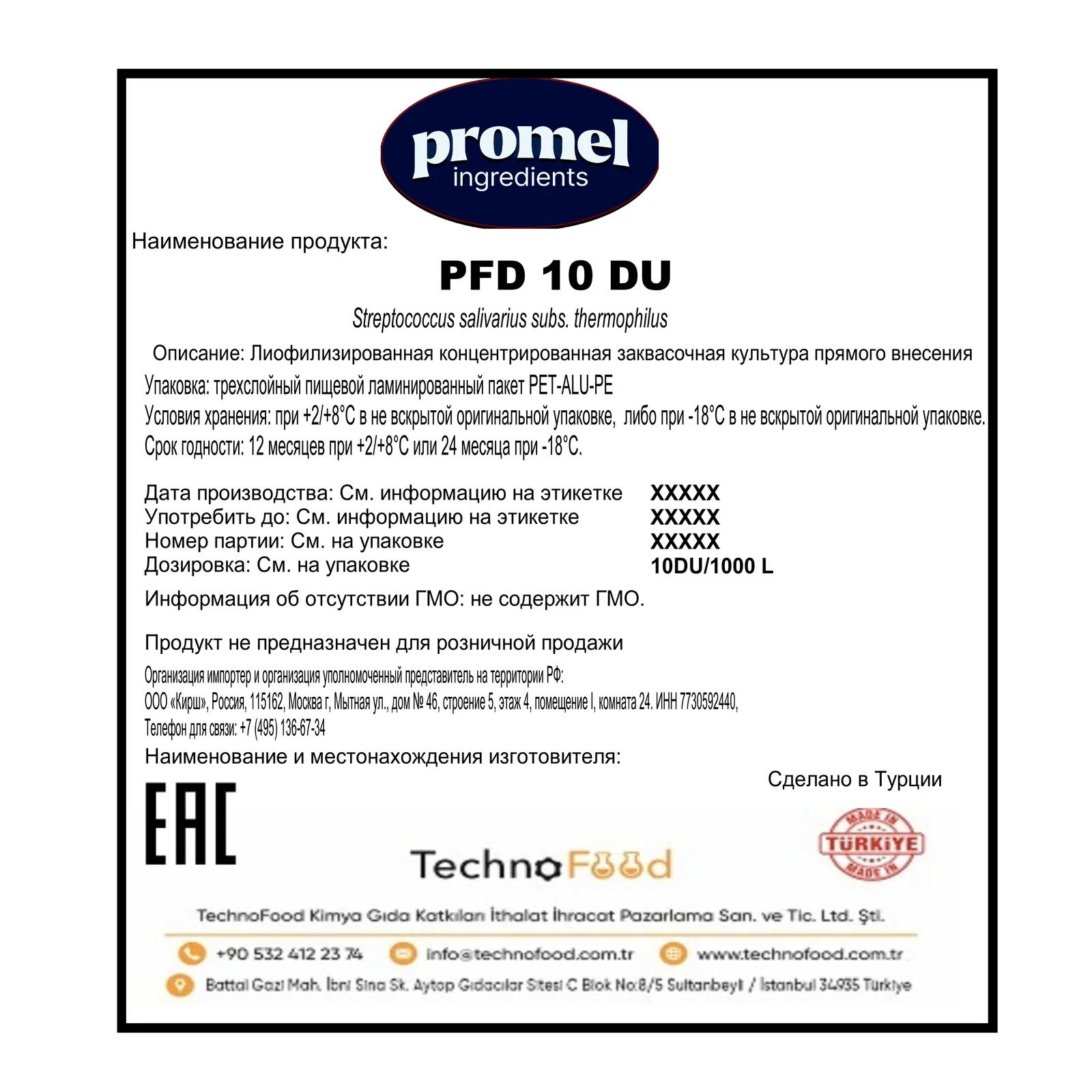
PROMEL F.D.Starter Culture YOLP (10 DU)
Promel YOLP is a freeze-dried thermophilic yogurt culture containing Streptococcus thermophilus and Lactobacillus delbrueckii subsp. bulgaricus, designed for direct vat set (DVS) inoculation; available in 10 DU packs.
View →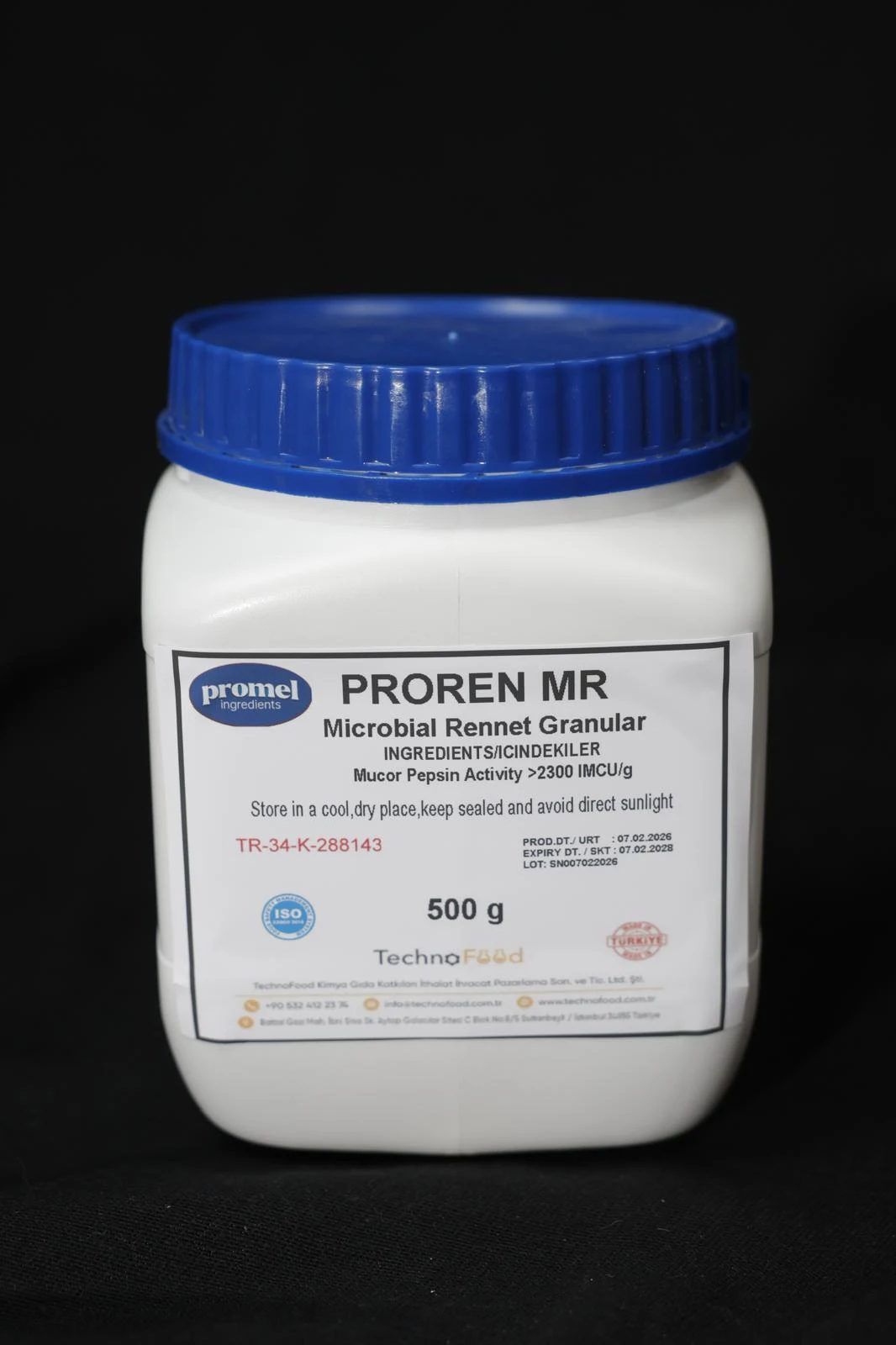
PROREN FERMENTED CHYMOSIN 500 GR
Proren is a powder (granular) rennet containing chymosin produced by Kluyveromyces lactis fermentation; it coagulates with high specificity, supporting cheese yield and consistent ripening. Available in 500 g packs.
View →