
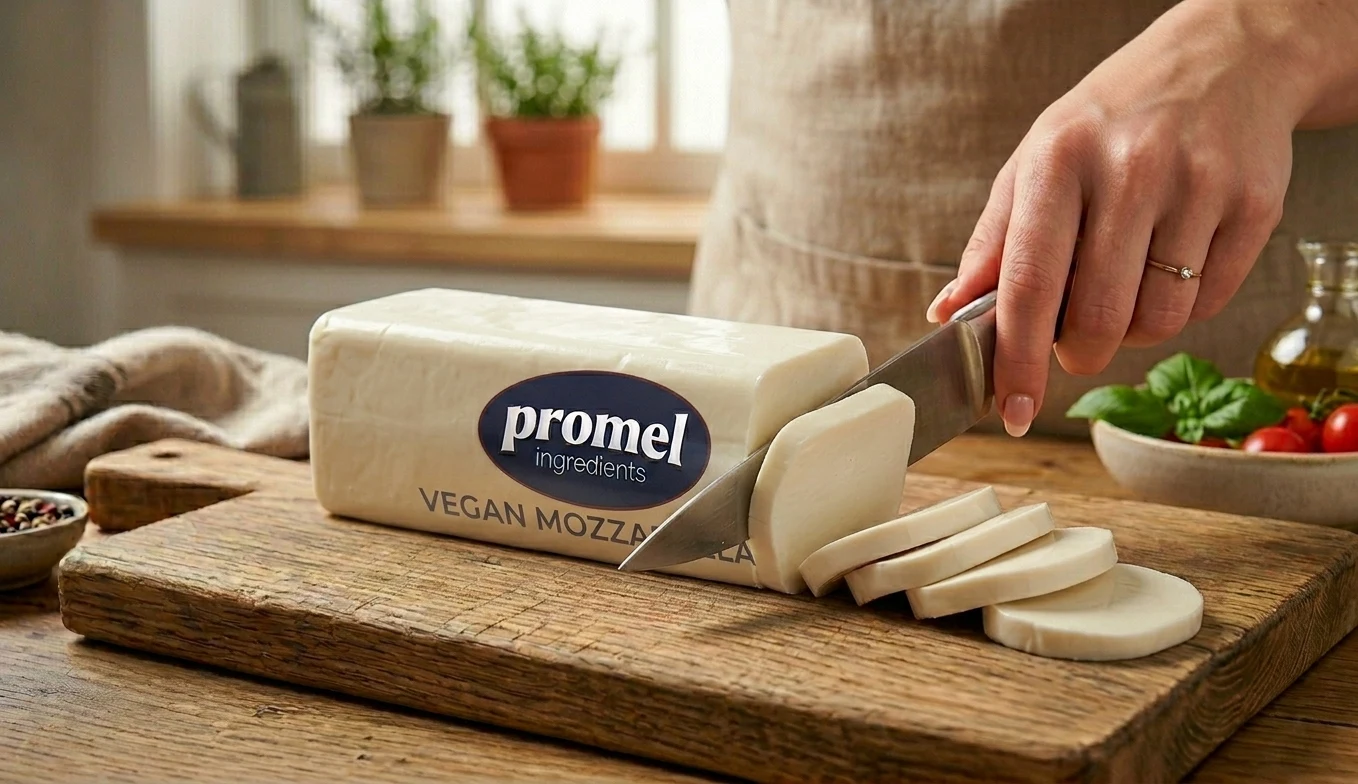
VEGAN CHEESES
Starch–hydrocolloid stabiliser systems and transglutaminase for reinforcing plant protein in plant-based cheese alternatives that lack a casein network, delivering sliceable body, oven meltability and water binding.
Key technological challenges in plant-based cheese alternative production
Plant-based cheese alternatives lack the casein network that provides the structure of dairy cheese. The structure is built primarily on starch gelation, crystallisation of solid vegetable fat (typically coconut oil) and, where present, the heat-set gel of plant proteins such as pea, soy or chickpea. The challenges therefore differ from those in dairy cheese:
- Rubbery or, conversely, brittle body in slices; a sticky, doughy mouthfeel in starch-heavy formulations.
- Product that either does not melt at all in the oven or flows with oiling-off; limited stretch.
- Syneresis on cooling; hardening during storage due to starch retrogradation.
- Off-flavours from legume and cereal sources; whitish-grey colour.
- Spoilage risk in non-fermented formulations due to high pH and water activity.
Solution approach
In a plant-based formulation, texture is determined not by a single ingredient but by three complementary systems:
- Starch and hydrocolloid network: modified starches provide the gel body, while synergistic hydrocolloid combinations such as carrageenan, locust bean gum and konjac gum deliver elasticity, water binding and sliceability. The starch type directly governs meltability.
- Fat phase: the melting profile of the solid fat controls both firmness when cold and flow in the oven; a fine, stable fat dispersion prevents oiling-off.
- Protein phase: microbial transglutaminase creates covalent cross-links between glutamine and lysine residues in plant proteins, tightening the protein gel and yielding a more elastic texture, thereby reducing the formulation's dependence on starch.
Phosphate-based salts can contribute to emulsion stability by influencing the solubility of plant protein and the pH. However, the calcium paracaseinate mechanism found in dairy cheese is absent here; the effect is formulation-specific and must be verified by trial.
PROMEL product groups
- Stabiliser and structure systems (Promel Supermix 20, Promel Süpermix 70, Promel M 391, Promel S4020) — free water binding, firm and sliceable body, reduced clumping of shredded particles; Süpermix 70 is composed of carrageenan, konjac gum and locust bean gum.
- Enzyme (Promel Ultralase-1000) — microbial transglutaminase for strengthening the plant protein gel.
- Phosphate-based salts (Promel MS 31, Promel MS 85) — for trial use in formulations containing plant protein to adjust emulsion stability and meltability.
- Colour, smoke and processing aids (Promel Beta Carotene EM 5%, Promel Smoke Flavour 10E, Promel Antifoam) — cheddar tone, smoked varieties and foam control during mixing.
Some products associated with this application area are of animal origin: EMC and cheddar flavourings are derived from milk, lysozyme from egg; chymosin is intended for milk coagulation and has no function in plant-based systems. These products are not used in formulations carrying a vegan claim.
Process and formulation tips
- The mass is typically heated above 70 °C for full starch gelatinisation; hot filling followed by rapid cooling improves structural consistency.
- Transglutaminase is added to the protein dispersion before heat treatment, typically held at 40–50 °C, and then inactivated by the subsequent heat treatment.
- Hydrocolloids are pre-blended with fat or sugar to ensure lump-free dispersion.
- If part of the solid fat is replaced with liquid oil, firmness and meltability must be readjusted.
- Lowering the pH with organic acid brings the flavour profile closer to cheese and supports microbial stability; this should be validated with shelf life tests.
- Preservative selection and product naming: plant-based alternatives are not classified as dairy products under food regulations. The permissibility of preservatives approved for cheese in these products, and the use of the term "cheese" in the sales name, must be verified separately.
Frequently asked questions
Are analogue cheese and plant-based cheese alternatives the same thing?
No. Most analogue cheeses use vegetable fat instead of milk fat but still contain casein or milk powder; these products are not vegan. In a plant-based formulation, all proteins and additives must be of plant or microbial origin.
The product does not melt in the oven — what can be done?
Meltability is largely determined by the starch type and fat level. Switching to a starch with lower gel strength, increasing the solid fat content and avoiding an overly strong hydrocolloid network will improve meltability.
Does transglutaminase give the same result with every plant protein?
No. The effect depends on the lysine and glutamine content and the solubility of the protein; pea and soy proteins are generally good substrates. Dosage and holding time must be determined by trial.
Once you share your protein source, fat phase and target application (sliced, shredded, pizza), the Technofood R&D team will help you design the right stabiliser and enzyme combination; you can request samples for pilot trials.
Products for this Application
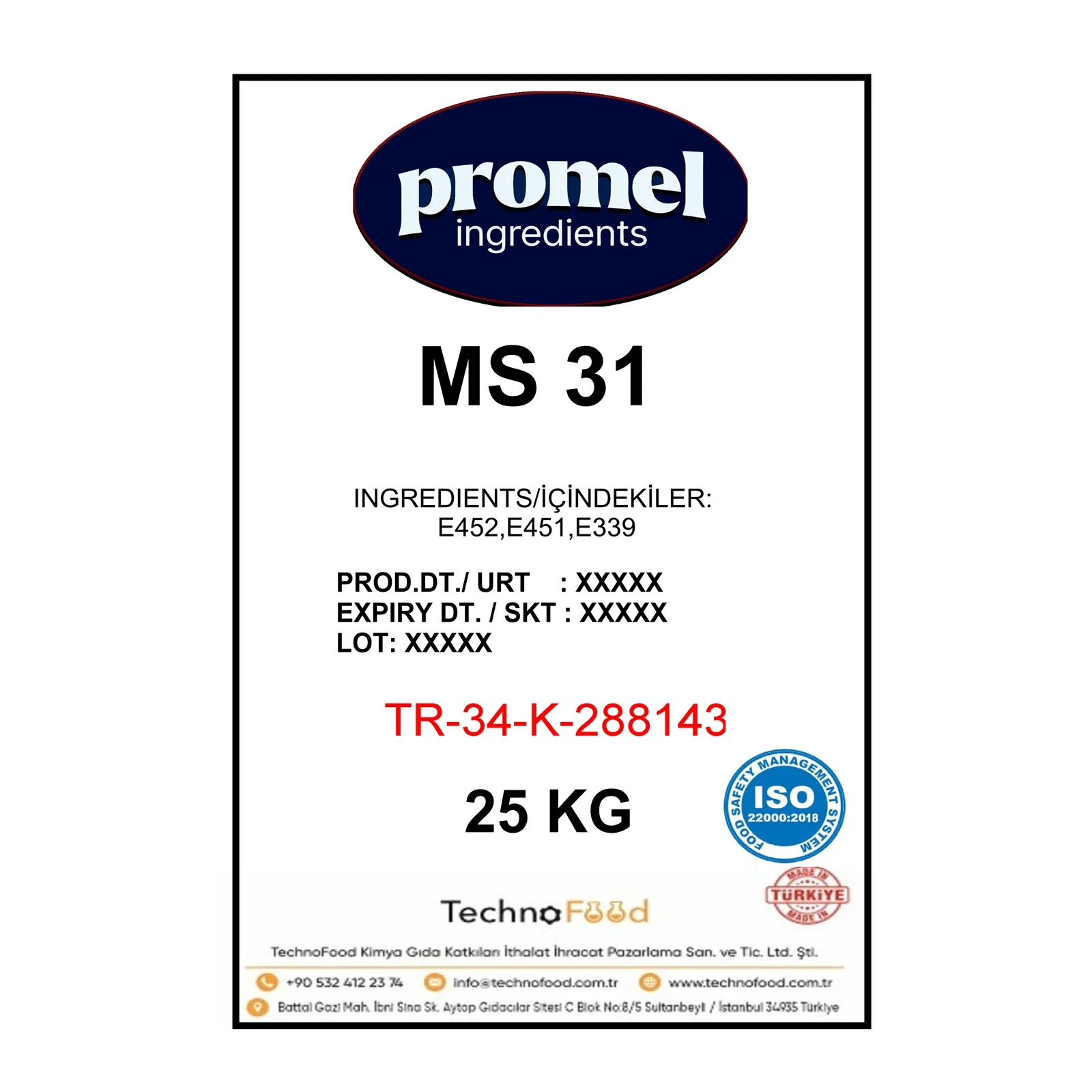
PROMEL MS 31
Promel MS 31 is a citrate-free polyphosphate blend with high ion-exchange capacity, developed for block and sliced processed cheeses. It delivers strong water binding and stable texture throughout shelf life.
View →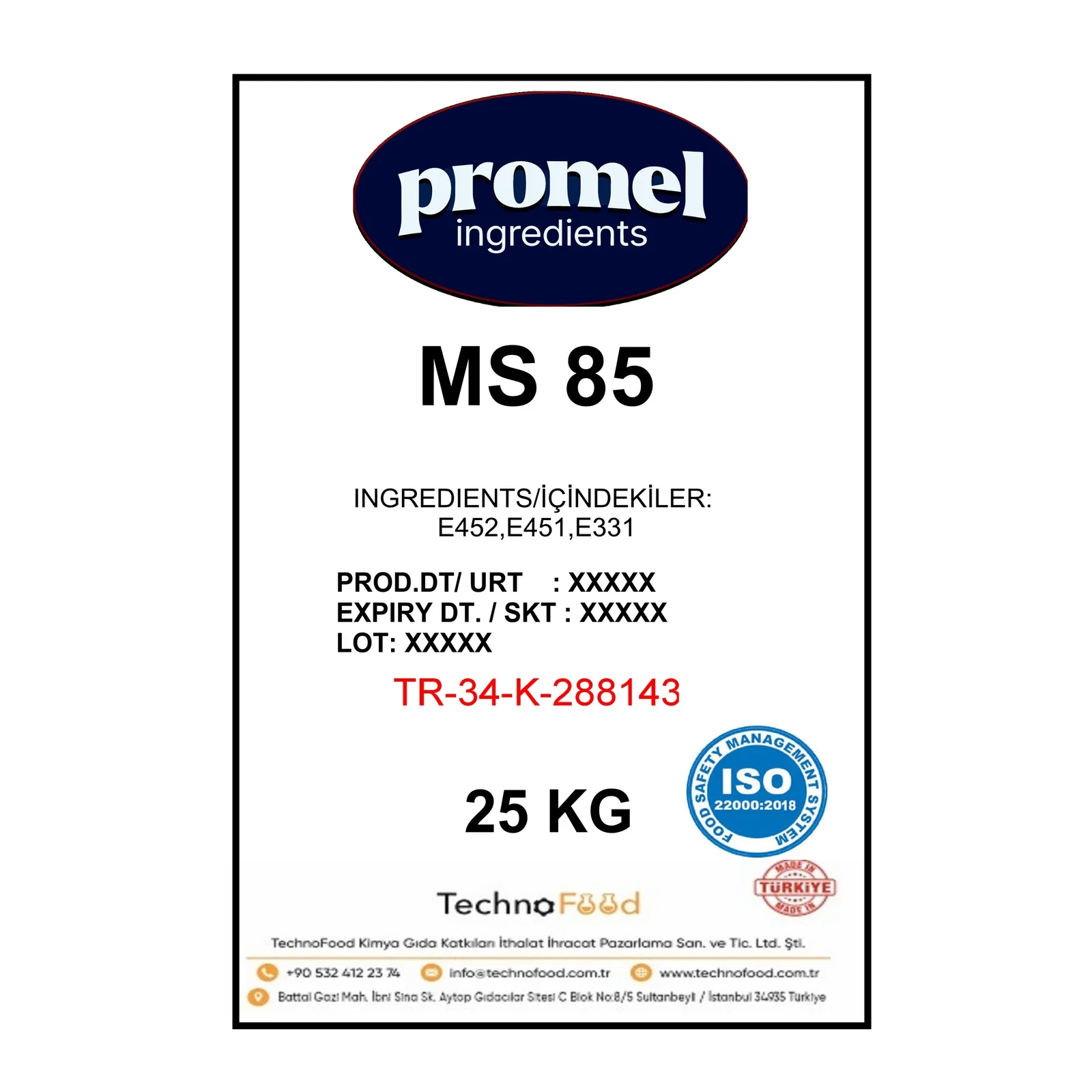
PROMEL MS 85
Promel MS 85 is a citrate–phosphate-based, medium-strength emulsifying salt blend designed for analogue mozzarella, pizza cheese and hard/semi-hard processed cheeses where remeltability is critical.
View →
PROMEL MS 38
Promel MS 38 is a polyphosphate-based (E452) emulsifying salt that builds a firmer body in sliced and sliceable processed cheeses, ensuring clean cuts and reducing inter-slice sticking.
View →
PROMEL Supermix 20
PROMEL Supermix 20 is a hydrocolloid stabiliser system that binds free water in hard and semi-hard block cheeses and cheese analogues, giving a firm, sliceable body with controlled remelting.
View →
PROMEL M 391
PROMEL M 391 is a stabiliser system in the Supermix range designed for sliced and shredded cheeses; it delivers a drier, firmer body on the cut surface, reducing sticking between slices and shredded pieces.
View →
PROMEL BRINEMIX
Promel Brinemix is a powder additive that regulates the mineral and pH balance of brine in brined cheeses, helping to prevent softening, dissolution, slipperiness and gelation on the cheese surface.
View →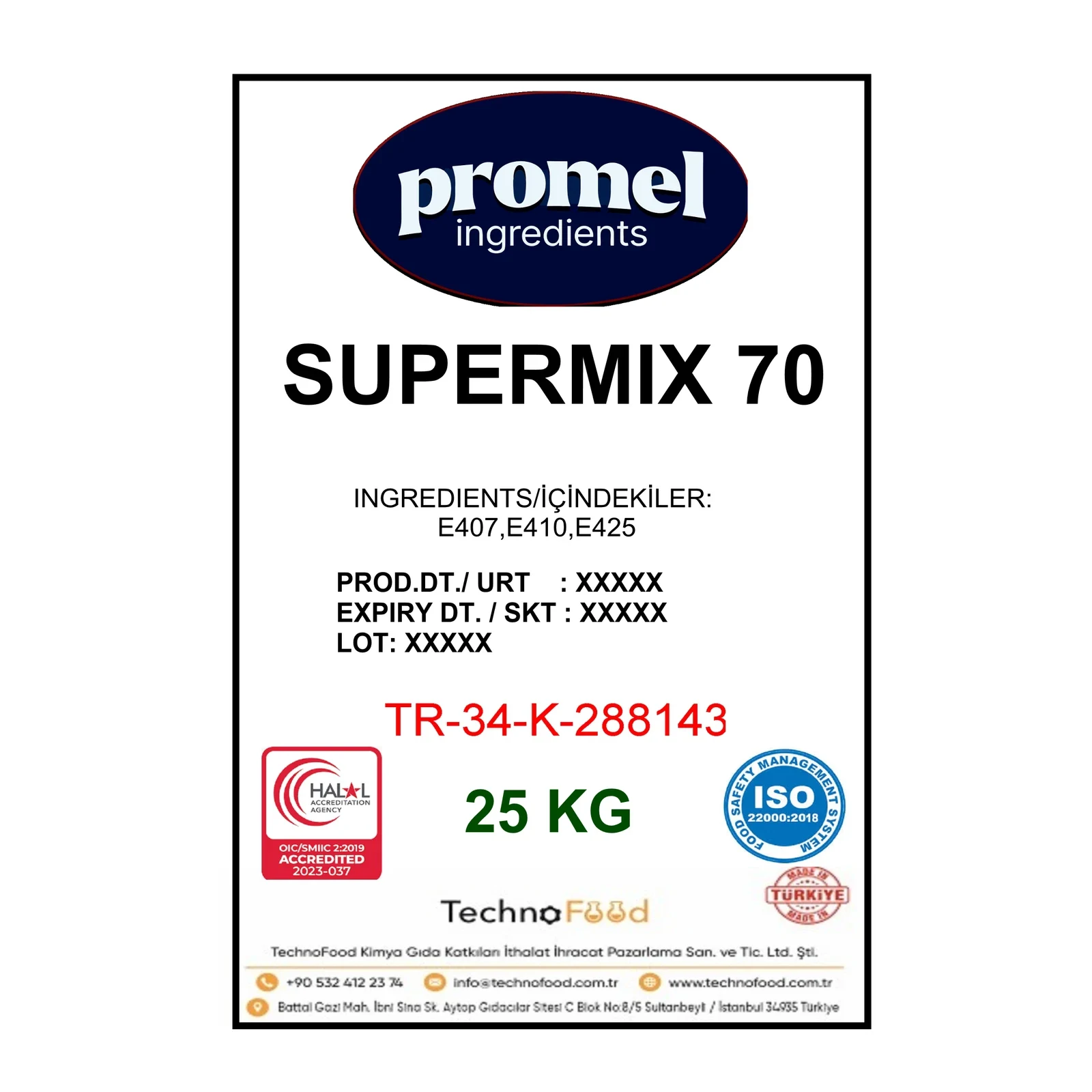
PROMEL SÜPERMIX 70
PROMEL Süpermix 70 is a stabiliser system based on carrageenan, konjac gum and locust bean gum that binds free water in hard and semi-hard cheeses while providing a glossy surface, good stretch and sliceability.
View →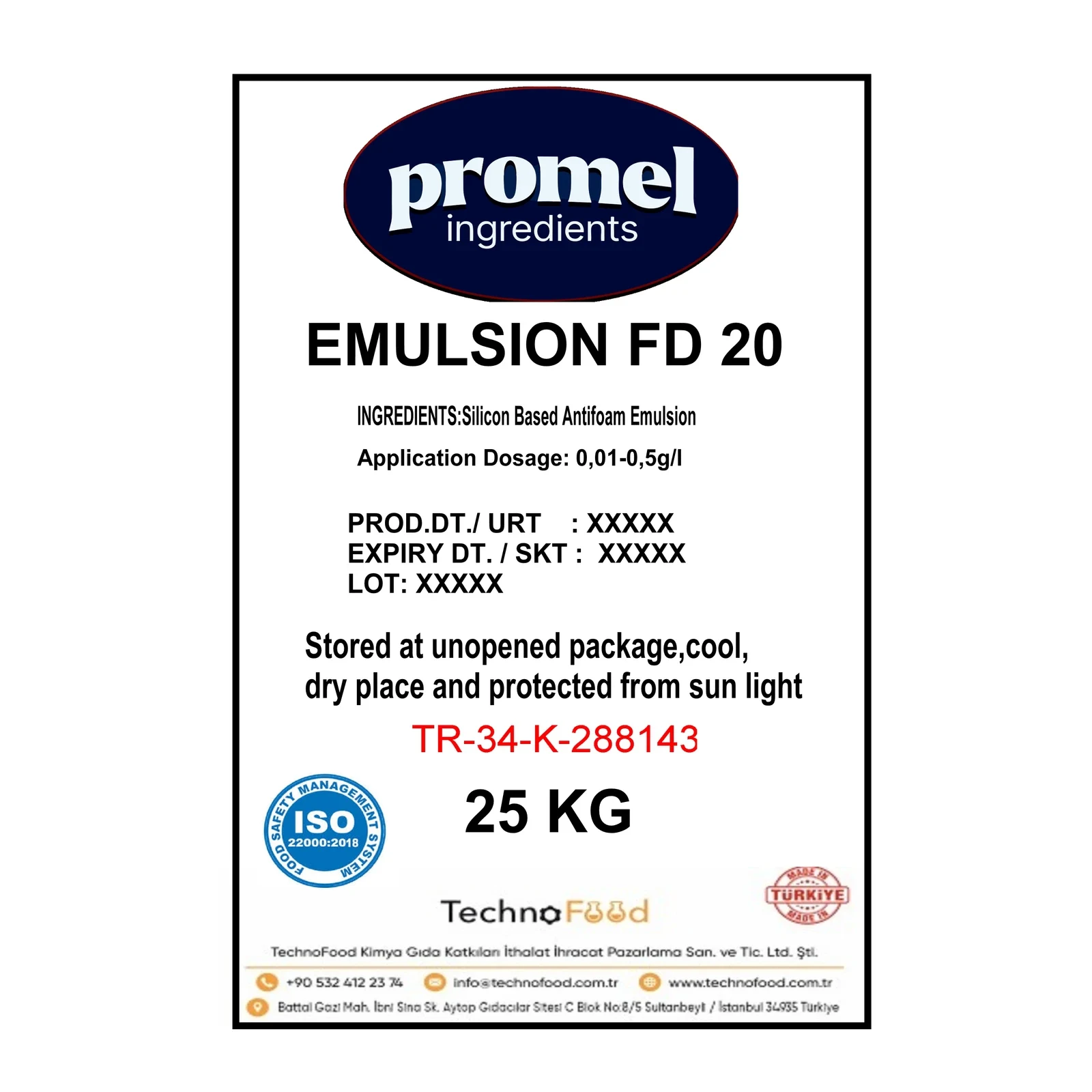
Promel Antifoam
Promel Antifoam is a silicone-based antifoam emulsion that knocks down foam generated during dairy processing and limits its recurrence; it disperses readily in both hot and cold aqueous systems.
View →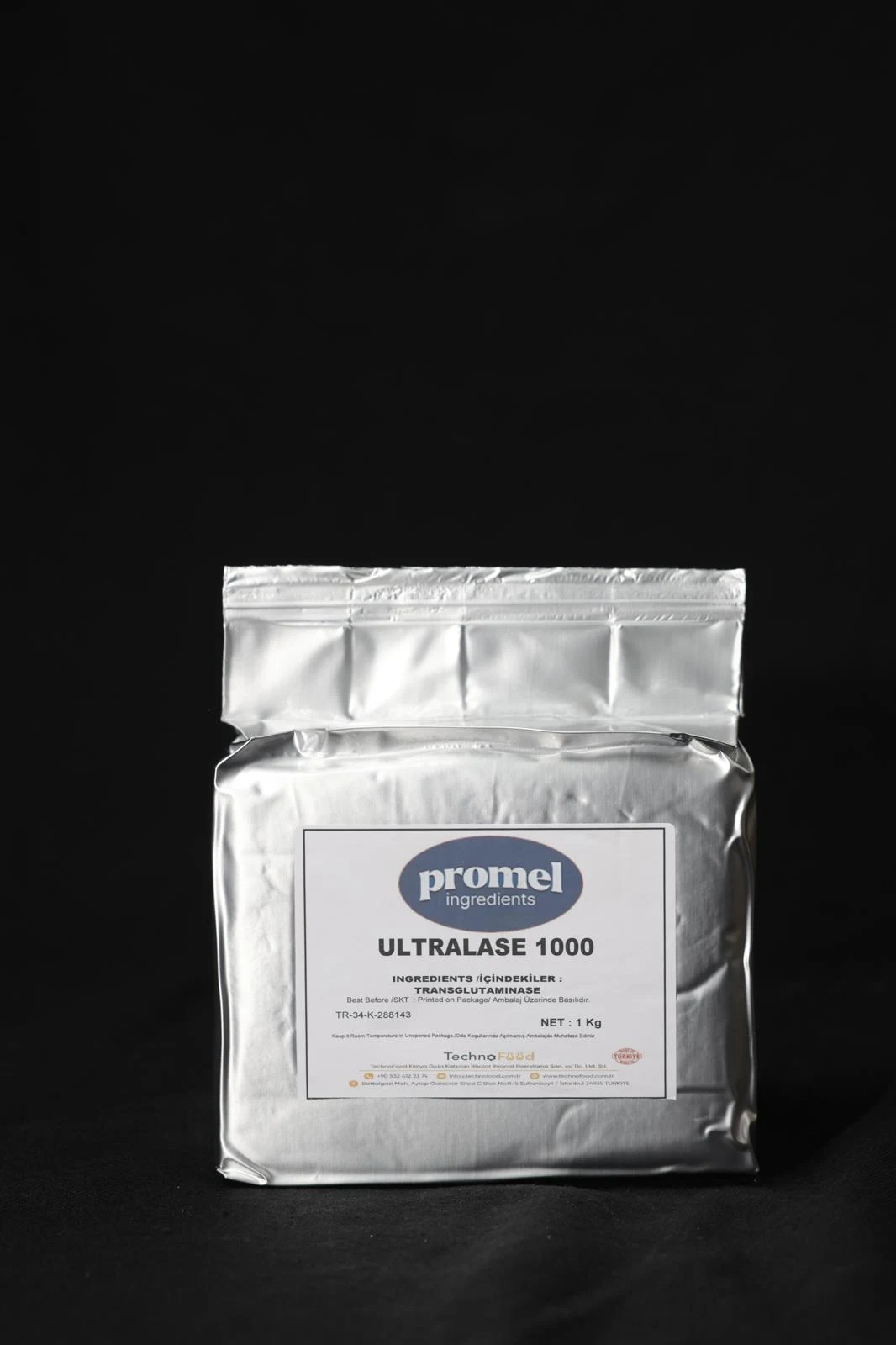
PROMEL ULTRALASE-1000
Promel Ultralase-1000 is a microbial transglutaminase preparation that forms covalent cross-links between milk proteins, increasing viscosity, reducing syneresis and improving texture in fermented milk products.
View →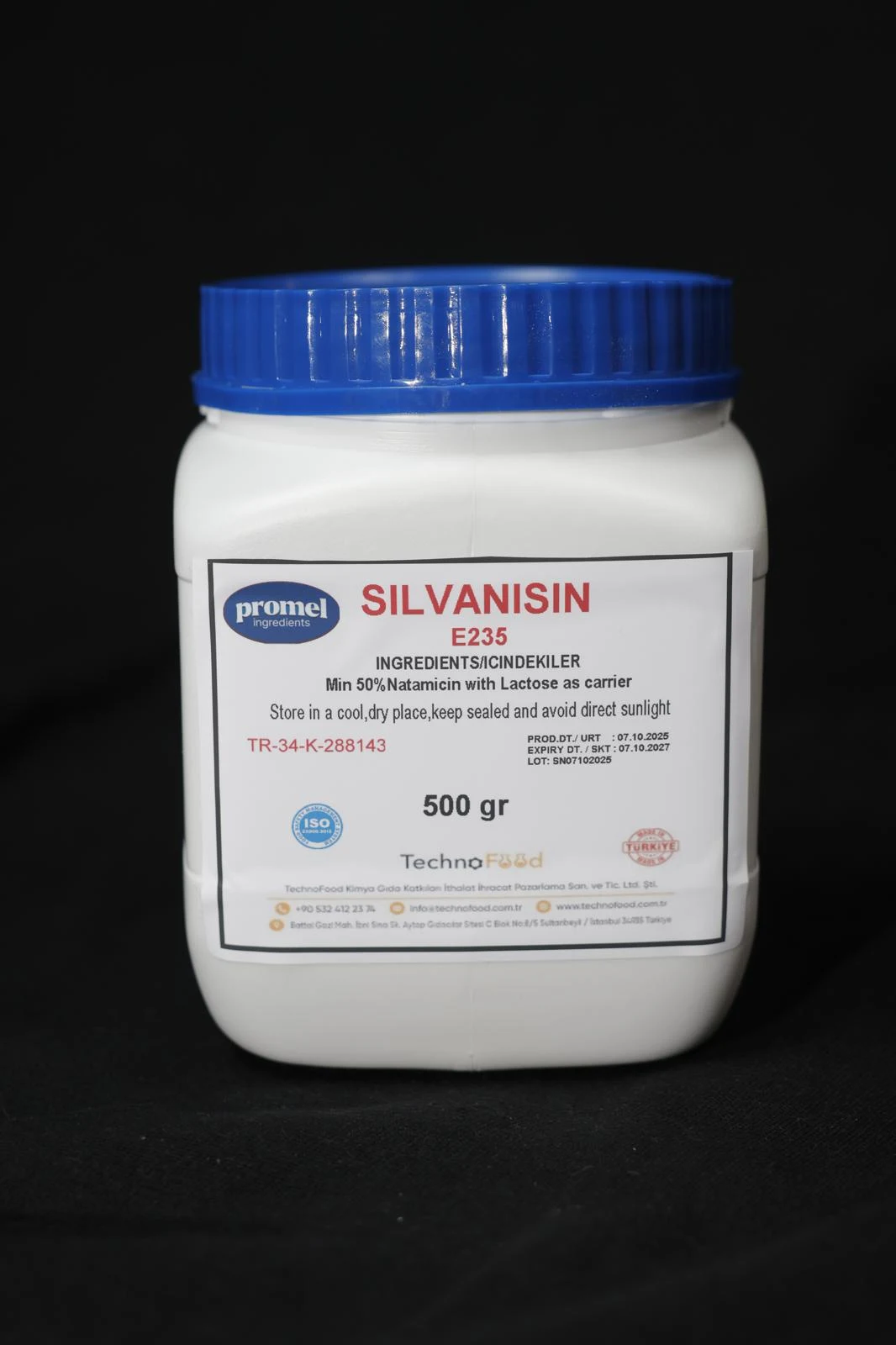
PROMEL SİLVANİSİN
Promel Silvanisin is a nisin (E234)-based preservative produced by Lactococcus lactis fermentation; with an activity of 1000 IU/mg, it is used in processed cheese and cheese to control Clostridium spores and Gram-positive spoilage.
View →
PROMEL S4020 STAB.BLEND
PROMEL S4020 is a modified starch-based stabiliser blend offering high water and fat binding capacity; it provides body, sliceability and melt control in vegetable fat cheeses and plant-based cheese alternatives.
View →
SILVAZYME LYSOZYME
Silvazyme is a lysozyme (E1105) enzyme preparation added to cheese milk to prevent late blowing defects caused by Clostridium tyrobutyricum; developed for ripened hard and semi-hard cheeses.
View →
PROREN FERMENTED CHYMOSIN 500 GR
Proren is a powder (granular) rennet containing chymosin produced by Kluyveromyces lactis fermentation; it coagulates with high specificity, supporting cheese yield and consistent ripening. Available in 500 g packs.
View →
Promel MS 4
Promel MS 4 is a citrate-free emulsifying salt based on diphosphate (E450) and polyphosphate (E452) that delivers a glossy, homogeneous texture in soft-type and spreadable processed cheeses.
View →
Promel Smoke Flavour 10E
Smoke flavouring used to impart both a smoky aroma and characteristic smoked colour to dairy and meat products; suitable for mass incorporation and surface application.
View →
EMC SHEEP FLAVORING
Sheep cheese-based enzyme-modified cheese (EMC) flavouring. Used to impart a mature sheep cheese and tulum-type character to cow's milk or analogue cheese-based products.
View →
SILVAMYCIN NATAMYCIN
Silvamycin is a powdered preservative produced by Streptomyces natalensis fermentation, containing at least 50 % natamycin (E235); it inhibits the growth of moulds and yeasts on the cheese surface without affecting ripening cultures.
View →
PROMEL MS 07
Promel MS 07 is a single-phase citrate–phosphate emulsifying salt developed for processed pizza cheese and processed cheeses requiring re-meltability. It delivers uniform melting in the oven and clean slicing.
View →
PROMEL CHLOROPHYLLIN
Water-soluble liquid chlorophyllin food colour; used to impart and adjust green shades in ice cream, flavoured fermented milk products and herb/spice cheeses.
View →
FLAPO CHEDDAR FLAVOUR
A powdered cheese flavouring obtained from Cheddar cheese by spray drying; delivers Cheddar taste in dry blends, snack seasonings and powdered sauce premixes.
View →
Promel BETA CAROTENE EM 5%
Water-dispersible emulsion containing 5% β-carotene (E160a); added directly to cheese milk, sauces, ice cream and water-phase-dominant dairy products to impart yellow to orange colour.
View →
PROMEL MS 12
Promel MS 12 is an alkaline phosphate salt that raises pH in a controlled manner in processed cheese and dairy-based products. It is used as a corrective agent alongside the primary emulsifying salt when working with high-acidity raw materials.
View →